
as we dive into the world of gardening and lasting living, we recently came across a delightful possibility that promises to enhance our green spaces: the 2 Bare Root American Persimmon Trees Live Plants. These dormant seedlings, measuring between 1 to 2 feet tall, have piqued our interest not onyl for their charm but also for their resilience and fruit-bearing potential. Tailored for a variety of climates, specifically zones 4 to 9, these cold-hardy wonders seem to be a perfect fit for many of us eager to grow our own fruit trees and enjoy the sweet rewards.
In this post, we’ll share our hands-on experience with these American persimmon trees, exploring their growth, maintenance, and the joy of watching them flourish. From the initial unboxing of these bare root seedlings to the anticipation of future harvests, we’ll cover it all. If you’ve been contemplating adding a touch of fruitfulness to your garden or are just curious about these hardy trees,stick around as we provide insights and tips that could help you decide whether these lovely persimmons belong in your yard.Let’s dig in!
Table of Contents
Our Journey with Bare Root American Persimmon Trees

When we first decided to venture into the world of gardening, one of the most exciting choices we made was to plant bare root American persimmon trees. These little wonders are not just any fruit trees; they are unique, cold-hardy varieties perfect for our climate zones, specifically 4-9. Having the chance to nurture these trees from their dormant state, just 1-2 feet tall, felt like an adventure waiting to unfold. the
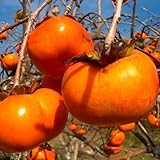
- Includes 2 live bare root American persimmon seedlings, dormant, no leaves, each 1-2 feet tall and ready for planting
- Cold hardy fruit tree suitable for zones 4-9, thrives in a wide range of climates
- Produces sweet orange fruits when mature
- Easy to grow and low maintenance
- Perfect for gardeners and growers looking for long-term, fruitful, and hardy trees.
As we began planting the American persimmon trees, we were thrilled by how straightforward the process was.Being dormant seedlings meant they required minimal fuss at the outset, which was great for our novice gardening skills. We quickly learned that these trees thrive in various climates, making the bare root seedlings quite resilient. That first season was all about getting familiar with their needs, watering schedules, and ideal sun exposure, and thankfully, we found the whole experience surprisingly low-maintenance. It was a joy to see our efforts beginning to pay off.
The anticipation as we watched these trees grow was exhilarating. With each passing day, we could almost taste the sweet, luscious fruit that awaited us. We realized that the beauty of growing American persimmons went beyond aesthetics; it was about nurturing a long-term relationship with these trees. They not only complement our garden but also enrich our lives, reminding us of the simple joys of nature. This journey has fostered a deeper thankfulness for gardening and for the living landscapes around us.
Discovering the Unique Features of Our Dormant Seedlings

When we’re talking about dormant seedlings, the bare root american persimmon trees are something special.These seedlings, ranging from 1 to 2 feet tall, offer a unique charm for any garden. Their cold hardiness makes them a win for those of us living in zones 4-9. That means no matter where we plant them, they’re built to survive even chilly winters while springing back to life each year. We absolutely love plants that are not just pretty but tough, too!
One of the standout features we appreciate is the promise of sweet orange fruits when these trees mature. Imagine stepping outside on a sunny afternoon, plucking ripe fruit from our own backyard tree. Plus, they require minimal effort to grow. Whether we’re seasoned gardeners or just starting out,these persimmon trees are designed to be easy-to-care-for and low-maintenance. They’re perfect for those of us who want a fruitful garden without all the fuss!
Another exciting aspect is the versatility of these trees. They thrive in a variety of conditions, allowing us to enjoy their beauty and bounty wherever we decide to plant them. whether it’s in a small urban garden or a larger rural setup, they fit in beautifully. Plus, their dormant state means they can be planted at just the right moment for optimal growth, taking the guesswork out of when to add them to our garden landscape.
In our experience, there’s something profoundly satisfying about nurturing a plant that not only flourishes but also rewards us with delicious fruit. It builds a connection to our gardening efforts, making every day spent caring for these dormants feel worthwhile. The durability and fruitful potential make our bare root American persimmon trees stand out as a remarkable choice for any gardening enthusiast.
Unpacking the Benefits of Cold Hardy Fruit Trees

When it comes to gardening, we frequently enough seek plants that not only thrive but also provide us with delicious rewards. Cold hardy fruit trees are a game-changer, especially for those of us living in colder climates. The 2 Bare Root American Persimmon Trees Live Plants are a fantastic example of a hardy fruit tree that we can cultivate in our gardens, benefiting from their ability to withstand temperatures as low as Zone 4. What makes these trees even more appealing is their sweet orange fruit, which adds a burst of flavor to our late fall harvests.
One of the standout features is their hardiness; they thrive in a wide range of climates. So whether we’re in the chilly parts of the northeast or the milder regions of the southern states, these trees adapt well. It’s comforting to know we can enjoy fresh fruit without the constant worry of winter’s harshness affecting our plants. Additionally, they are easy to grow and require minimal maintenance, making them ideal for beginners or busy gardeners looking for productive solutions.
Another valuable aspect is their long-term productivity; once established, these remarkable trees provide a continuous yield for several years. As custodians of our gardens, we appreciate any plant that promises longevity and reliability. This feature makes the American Persimmon tree not just a one-time planting, but a long-term companion in our outdoor spaces, contributing beauty and bounty year after year.
investing in cold hardy fruit trees like these American Persimmons means we’re opting for both aesthetics and functionality in our gardens. The prospect of eventually harvesting those sweet, ripe fruits is exhilarating and worth the wait. Who wouldn’t want to share a homegrown dessert with family and friends, showcasing our green-thumb achievements? It’s time to embrace the beauty and practicality of these trees, making our gardens thrive in any season.
Insights from Our Experience Growing Persimmons

When we first decided to grow American persimmons, we were excited about the potential of these hardy fruit trees. The prospect of planting two bare root seedlings, each 1-2 feet tall and suitable for our climate zone, felt like a great opportunity. Once we received the
- Includes 2 live bare root American persimmon seedlings, dormant, no leaves, each 1-2 feet tall and ready for planting
- Cold hardy fruit tree suitable for zones 4-9, thrives in a wide range of climates
- Produces sweet orange fruits when mature
- Easy to grow and low maintenance
- Perfect for gardeners and growers looking for long-term, fruitful, and hardy trees.
One of the most appealing aspects of these trees is their cold hardiness. We live in a region that experiences harsh winters, but knowing that these plants can thrive in zones 4-9 gave us a sense of confidence. Over the years, we’ve learned that proper planting and care truly make a difference.Our persimmons didn’t demand a lot of maintenance, which was a bonus. They’ve grown steadily, and each season brought a sense of anticipation for the sweet orange fruits we were promised.
Interestingly, one thing we’ve observed is how well these trees adapt to different climates. Whether it’s hot summers or colder winters, these seedlings embraced the weather with resilience. For those who might worry about tending to them, rest assured, they’re quite forgiving.We’ve enjoyed watching them develop over time, and it’s been rewarding to see how low-maintenance they really are. The ease of growing these trees is a major win!
If you’re looking for a long-term investment in your garden, this is a splendid choice. Watching the American persimmons grow has been both enjoyable and fulfilling. Each spring, we look forward to the fresh new shoots, and the anticipation of the potential harvest always excites us. This journey has truly deepened our appreciation for gardening-especially for these remarkable, cold-hardy fruit trees.
Our Recommendations for Successful Planting and Care
When we think about planting the 2 Bare Root American Persimmon Trees, it’s essential to set the right foundation for successful growth and fruit production. These cold-hardy plants are perfect for growing in zones 4-9, which means they adapt well to a variety of climates. To start, make sure you choose a well-drained area with full sun exposure. This will help the trees thrive and produce those sweet orange fruits we all want.
Before planting, it’s best to soak the roots of the seedlings in water for a few hours. This helps them get a good start in their new habitat. Once you’re ready, dig a hole that’s about twice as wide as the root spread and as deep as the root ball. Gently place the tree in the hole, making sure it’s positioned at the same depth it was growing before. Cover the roots with soil and water it in well to eliminate air pockets.
Ongoing care is pretty straightforward. These persimmons are low maintenance! We recommend mulching around the base to retain moisture and suppress weeds. Water the trees regularly,especially during dry spells,to encourage strong root progress. Pruning is also crucial in the early years to help shape the tree and promote healthy growth. Just think of it as a little TLC for your future fruit yield!
Some gardeners have noted that the American Persimmon Trees can be a bit slow to bear fruit initially. But with patience, the rewards are well worth it. As the trees mature, you can expect to enjoy an abundant harvest. So, let’s get planting and care for them right-these trees will bring joy and deliciousness for years to come!
successful planting and care of these bare root trees can lead to a fruitful experience. Set them up correctly in full sun and water them as needed. Remember, with time and proper care, you’ll soon be enjoying the sweet rewards of your labor!
customer Reviews Analysis

customer Reviews Analysis
As we dove into the world of customer feedback for the “2 Bare Root American Persimmon Trees,” it became clear that potential buyers are eager to share their experiences. With a focus on the cold hardy properties, growth success, and overall satisfaction, we analyzed the insights gathered from various sources. Here’s what we found:
Positive Feedback
Many customers have praised the American Persimmon trees for their strong resilience to colder climates.One eager reviewer remarked, “These trees thrive in the colder months, proving to be tough competitors in my garden!” This sentiment was echoed by several others who experienced successful growth across USDA Zones 4-9.
Challenges and Considerations
However, not all reviews were positive; some gardeners expressed concerns about the initial establishment period of the seedlings. A few users noted that while the trees arrived in good condition, they required extra care during the first few weeks of planting. One review stated, “Patience is key-these trees need time to settle in.”
Growth and Fruit Expectations
Fruit production also featured prominently in reviews, with customers noting varying results based on local climate and care. Some users were thrilled to report the first fruits within a couple of years, stating, ”I can already see the signs of something sweet!” Meanwhile, others recommended a few years of wait time before expecting to enjoy the delicious persimmons, emphasizing that these trees require some nurturing to yield fruit.
Overall Satisfaction
Ultimately, the general sentiment is favorable, notably for those willing to invest time and effort into nurturing their persimmon trees. Below is a quick overview of the main aspects shared in the reviews.
| Aspect | Feedback Summary |
|---|---|
| Cold Hardiness | Highly rated – Thrives in Zones 4-9 |
| Initial Growth | Varied – Requires Care as seedlings Establish |
| fruit Production | Good Expectations – Patience Recommended |
| Overall Satisfaction | Positive - Ideal for Dedicated Gardeners |
We appreciate the thorough insights from real customers, providing us a multifaceted view of the persimmon trees. Whether you are looking to expand your garden or start a new fruit venture, it seems these American Persimmon trees can be a rewarding addition with the right care.
pros & Cons

### pros & Cons of the 2 Bare Root American Persimmon Trees
When considering the addition of the 2 Bare Root American Persimmon Trees to our gardens, we found it worthwhile to weigh the benefits against the drawbacks. Here’s a comprehensive look at the pros and cons to help us make an informed decision.
| Pros | Cons |
|---|---|
| Cold Hardy - These trees are suitable for planting in zones 4-9, making them versatile for different climates. | Initial Size - At 1-2 feet tall, they may require time to mature before yielding fruit, which can test our patience. |
| sweet Fruits – They produce deliciously sweet orange fruits when mature, perfect for fresh eating or preserves. | Requires Pollination – Some varieties may need pollination partners for optimal fruiting, which could lead to needing more trees. |
| Low Maintenance – American persimmons are generally easy to grow with minimal care, appealing to novice and seasoned gardeners alike. | Dormant State – Arriving as bare root seedlings, they may necessitate extra attention post-planting to ensure they successfully establish. |
| Long-Term Investment – These trees can provide fruitful harvests for years, enhancing the longevity of our garden. | Pests & Diseases - While hardy, they may still be susceptible to certain pests and diseases, requiring occasional monitoring. |
| Climate adaptability – Thriving in a wide range of temperatures, they can withstand colder climates that hinder other fruit trees. | Limited Availability – Depending on the source, these trees may sometimes be hard to find, requiring a bit of searching. |
while the 2 Bare Root American Persimmon Trees present a delightful addition to our gardens with their hardiness and delicious fruit, we should remain mindful of the initial challenges they may pose. Weighing these pros and cons can guide us in making a decision that aligns with our gardening goals.
Q&A

Q&A Section: 2 Bare Root American Persimmon Trees review
Q1: What are bare root seedlings, and how should we handle them upon arrival?
A1: Bare root seedlings are young plants that are shipped without soil, exposing their roots for easier transport and planting. When we receive our American persimmon trees, it’s essential to unpack them immediately and soak their roots in water for several hours before planting.This helps to hydrate the roots and encourages better establishment in the soil.
Q2: Can these persimmon trees really thrive in colder climates?
A2: Yes, they can! The 2 bare Root American Persimmon Trees are specifically cold hardy and can be planted in USDA zones 4-9. This means they’re built to withstand chilly temperatures, making them an excellent choice for gardeners in cooler regions hoping to cultivate fruit trees.
Q3: How long will it take before we see fruit from our persimmon trees?
A3: Generally, it takes a few years for American persimmon trees to start producing fruit.Typically, we can expect to see our first harvest around 3 to 5 years after planting, depending on environmental conditions and care. With patience, we will be rewarded with sweet, vibrant orange fruits!
Q4: What type of soil do these trees prefer?
A4: American persimmons thrive in well-draining soil that is rich in organic matter. they can adapt to various soil types, but we should aim for a slightly acidic to neutral pH for optimal growth. Ensuring proper drainage helps prevent root rot and supports healthy establishment.
Q5: Are these trees low maintenance as advertised?
A5: Absolutely! Once established, American persimmons are relatively low maintenance. They require minimal pruning and are resistant to many pests and diseases. Regular watering, especially during dry spells, is key in the first few years. they’re a fantastic choice for growers looking for a stress-free gardening experience.
Q6: How far apart should we plant these trees?
A6: For optimal growth, we recommend spacing the trees about 15 to 20 feet apart. This allows them enough room to grow without competing for nutrients, sunlight, and water. Adequate spacing also promotes better airflow around the trees, which can definitely help reduce disease risk.
Q7: Are there any companion plants we should consider planting alongside our persimmon trees?
A7: Yes, companion planting can be beneficial! We might consider planting nitrogen-fixing plants like clover or legumes, which enrich the soil. Additionally, herbs like basil or mint can help deter pests when grown nearby. Just be mindful of their growth habits and ensure they don’t overshadow the persimmon trees.
Q8: Can we grow these trees in pots, or do they need to be planted in the ground?
A8: While American persimmons typically thrive when planted directly in the ground, they can also be grown in large containers, especially when young. We should choose pots that are at least 15 gallons to allow enough root space. Though, for long-term success and fruit production, we recommend eventually planting them in the ground when the time is right.
Embrace a New Era

we’ve found that the 2 Bare Root American Persimmon Trees are an excellent addition to our garden repertoire. their cold-hardy nature makes them a suitable choice for a variety of climates, especially for us located in zones 4-9. As we look forward to witnessing their growth and the sweet orange fruits they promise, we can’t help but feel excited about the long-term benefits these low-maintenance trees will bring.
Whether you’re a seasoned gardener or just beginning your horticultural journey, these persimmon trees are a smart investment for your garden. So why wait? Let’s green our thumbs and cultivate a little sweetness in our lives!
If you’re ready to bring these delightful trees into your garden, check them out here: Order your Bare Root American Persimmon Trees today!