In a world where urban landscapes continue to expand, teh challenge of feeding an ever-growing population looms large over our cities. As we look towards the future,with projections indicating that by 2050,nearly nine billion people will inhabit our metropolitan areas,the urgency to rethink our food systems is more palpable than ever. This is precisely the bedrock upon which “Food for the City: A Future for the Metropolis” stands; an insightful collection of essays authored by a diverse array of contributors, including farmers, chefs, rural sociologists, and philosophers.
In our exploration of this compelling book, we have been drawn into a rich tapestry of ideas and images that delve into the intricate relationship between urban life and our food sources. With thoght-provoking questions like “Can art solve the world’s food problems?” and “Should eating meat remain legal?” the authors challenge us to rethink our choices and the impact they have on the planet. Among the voices featured, we find the passionate plea of Indian agricultural activist Dr. Vandana Shiva and the innovative vision of business leader Stephan Tanda, both advocating for a more equitable and enduring future.
join us as we uncover the insights and stunning visuals that make “Food for the City” not just a book,but a vital dialogue about the future of urban food culture. Together,we will navigate through its pages,examining how this collection serves as both a mirror reflecting our current realities and a lens through which we can envision a better food system for tomorrow.
Table of Contents
Exploring the Essence of Urban Food Security in Food for the City
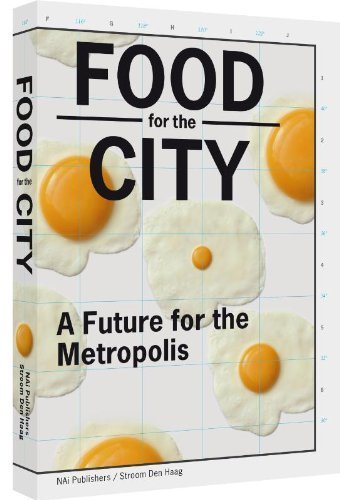
Exploring the essence of urban food security can feel overwhelming. However, “Food for the City” brings a refreshing viewpoint to this crucial topic. This collection of thought-provoking essays unpacks the complex issues surrounding food production, distribution, and consumption in our growing cities. With contributions from farmers, chefs, sociologists, and activists, we find ourselves immersed in a vibrant discussion that intertwines innovation, sustainability, and community.
One of the standout elements of the book is its engaging narrative paired with stunning visuals that bring the text to life. Each essay poses compelling questions: “Can art solve the world’s food problems?” and “Should eating meat remain legal?” These inquiries push us to reflect on our own food choices and the broader impact we have on the world around us. Notably, the contributions from figures such as Dr. Vandana Shiva and Stephan Tanda highlight the need for a shift in both policy and culture to address food insecurity effectively.
Moreover, the book’s approach aligns perfectly with urban settings where a majority of us now reside. The discussions about local food systems and community-based solutions resonate with those of us looking to forge healthier connections with our food sources. This helps illustrate how collective efforts can tackle hunger and obesity while promoting sustainability in food production.
We appreciate how the book not only informs but also serves as an inspiration to take action. The shared stories and solutions presented encourage us to think differently about our role in food production. It’s an intriguing read for anyone passionate about food security and the future of our cities.
For those wanting to explore urban food security through a creative lens, “Food for the City” is an excellent choice. It blends thought-provoking content with gorgeous imagery to enhance our understanding of this critical issue. To dive into this insightful exploration, check the latest price below:
Unpacking the Vision: Key Features and Insights of the Book
“Food for the City: A future for the Metropolis” presents a fresh, thought-provoking perspective on how we can tackle the impending food challenges posed by urbanization. As cities expand and our population is projected to hit nine billion by 2050, this book dives deep into the intricate relationship between food systems and urban life. Through compelling essays enriched with unique insights from diverse contributors, the authors urge us to rethink our food choices and systems, engaging with questions that challenge our traditional views. The interconnected essays, alongside stunning photography, create an immersive experience that keeps us engaged while highlighting critical issues.
We appreciate how the book successfully covers various angles regarding urban food. Each essay offers somthing new, encouraging us to reflect on our eating habits and their implications. The inclusion of voices from farmers, chefs, and philosophers makes the content relatable and grounded in real-world scenarios. dr. Vandana Shiva’s contribution is particularly striking; her advocacy for organic agriculture and food accessibility resonates well,especially since she challenges us to consider who gets to eat and how food systems can be more equitable. By asking pivotal questions like: ”Can art solve the world’s food problems?” the book ignites dialogue around innovative solutions that can be applied in our urban environments.
another enriching aspect is how the book touches on the role of business in addressing food crises. Stephan Tanda’s ideas about shared value remind us that tackling food insecurity must go beyond profit. This perspective promotes a sense of collective obligation towards fostering sustainable cities, encouraging us as readers to think about how we can contribute positively to this change. The essays don’t shy away from controversial topics,such as whether eating meat should remain legal,which provokes necessary debates and personal reflections that are vital for our constant evolution of thought. It’s these discussions that truly make the book a great resource for anyone interested in understanding future food systems in urban areas.
This collection of essays is not just informative; it inspires action and encourages discourse among readers. We find that the synergy between captivating photographs and thought-provoking essays drives the message home more powerfully. This multifaceted approach emphasizes not only the necessity of change but also the importance of acknowledging the ways we can all be part of the solution. It’s a valuable addition to any urban planner’s library or anyone passionate about social justice,environmental issues,or culinary arts,reinforcing that food is not just sustenance but a crucial part of our urban identity.
Ultimately, “food for the city” serves as both a wake-up call and a call to action. It’s about realizing that our choices ripple through the societal fabric. This compelling book is more than just an exploration of food systems; it’s a roadmap guiding us towards a sustainable urban future where everyone has access to what they need. With its engaging blend of expert voices and beautiful visuals, we highly recommend it to anyone eager to delve into the future of food in our cities.
Navigating the Concepts: Real-World Applications of Urban Food Systems
When we dive into the world of urban food systems, “Food for the City: A Future for the Metropolis” becomes an essential read. This book tackles the pressing question of how to feed our growing cities, which will be home to about nine billion people by 2050. Through a collection of essays from farmers, chefs, sociologists, and thinkers, it highlights the innovative solutions and ideas reshaping our food practices. each contributor brings a unique perspective, making this an enriching experience for anyone invested in the future of urban agriculture.
One of the standout aspects of this book is how it engages with important concerns like food sovereignty, sustainability, and community resilience. The essays challenge us to think about the socio-economic impacts of our food choices and the pervasive issues of hunger and obesity. Contributors like Dr. Vandana Shiva and Stephan tanda emphasize the potential of collaboration-be it through shared agricultural practices or creating businesses with a purpose that transcends profit. We appreciate how these themes are not just theoretical; they have real-world applications that can guide policymakers, educators, and community leaders.
Visually, the book is a delight, featuring captivating photographs that capture the essence of the food cycle from growing to trading and consuming. These images serve as powerful reminders of the connection we have with our food, further enriching our reading experience. It’s not just a collection of dry essays; it’s a vibrant tapestry showcasing the dynamic interactions and challenges within urban food systems.
in exploring the various essays, we’re presented with practical ideas that could easily be applied in our communities. whether it’s discussions on urban farming initiatives or local food movements,the concepts put forth here are actionable. This book is a call to arms for anyone who believes that food can be the heart of urban life. The discussions lead us to believe that change is not merely possible; it’s already happening all around us.
reflecting on Our Experience: Insights Gained from the Reading
Reflecting on our experience with “Food for the city: A Future for the Metropolis” has been enlightening. The collection of essays made us think deeply about the questions surrounding urban food systems. From how cities will feed a booming population to the ethical implications of our food choices, each essay offers a unique perspective. This book isn’t just about theory; it connects practical agricultural strategies with the broader philosophical discourse of food and urban living.We particularly appreciated the way the contributors, like Dr. Vandana Shiva, bring personal narratives into the fold. It’s refreshing to see how grassroots movements intersect with larger political and economic frameworks. The discussions on shared value in business, especially pointed out by figures like Stephan Tanda, resonate with our aspirations for a more equitable food future. These insights challenge us to rethink our roles as consumers, citizens, and advocates for change in our own communities.
The stunning visuals accompanying the essays also sparked joy and inspiration, reminding us of the beauty in the food cycle-from farm to fork. The book encourages us to reflect on our food habits and consider more sustainable choices. It’s more than just a reading experience; it’s an invitation to engage with the real-world implications of our dietary habits. Each page turned felt like a step toward understanding how collective action can shape food systems in urban contexts.
Ultimately, flipping through the pages reinforced our belief that changing the way we approach food can lead us toward healthier, more sustainable cities. “Food for the City” is not just an exploration of ideas; it’s a conversation starter, prompting us to envision what our metropolises could become. we highly recommend diving into this insightful read for anyone interested in the future of urban food systems.
Recommendations for Embracing Urban Food Resilience and Sustainability
When we think about how to boost urban food resilience and sustainability, one compelling resource is the book “Food for the City.” this collection of essays dives deep into the pressing issues of our food system in cities.With insights from farmers, chefs, and sociologists, it encourages us to rethink our choices and their impact. The authors tackle engaging questions that make us reflect on how personal eating habits can influence the broader agricultural landscape.
We appreciate how the book frames the future of food within urban settings and underlines the importance of local solutions.Each essay presents unique viewpoints that spark discussion on crucial topics like food accessibility and the ethics of consumption. Additionally, contributions from influential figures like Dr. Vandana Shiva remind us of the power of grassroots movements in reshaping food systems. This collaborative approach illustrated in “Food for the City” truly resonates with our goal of fostering sustainable urban environments.
as we navigate through evolving urban landscapes, the lessons we can draw from this book are invaluable. It emphasizes that our food choices extend beyond personal preferences; they are woven into the fabric of societal change. By engaging with the material in “Food for the City,” we equip ourselves with the knowledge and inspiration needed to advocate for better food practices in our communities. It’s a call to action that aligns perfectly with our shared commitment to urban food resilience.
The recommendations within this book serve as a guide for anyone interested in pioneering sustainable urban food systems. incorporating practices suggested by these writers can help us foster communities that not only prioritize sustainability but also actively engage in the conversation about food production and consumption. So, we encourage everyone to explore the perspectives laid out in this powerful collection, as it can be a significant step toward embracing urban food resilience and sustainability.
Customer Reviews Analysis
Customer Reviews Analysis
in our exploration of “food for the City: A Future for the Metropolis,” we gathered insights from several customer reviews to understand the general sentiment surrounding this impactful read. Here’s what the readers are saying:
| Review Summary | Key Points |
|---|---|
| Captivating and insightful | Many readers found the content to be very interesting, highlighting its relevance to urban food policy. |
| Fast Delivery and Condition | Customers appreciated the fast delivery and noted that the product arrived in excellent condition. |
| accurate Description | Several reviews mentioned that the product description matched their expectations perfectly. |
| Competitive pricing | Many praised the affordable price, noting it as the best deal they found. |
From our analysis, it’s clear that customers are not only impressed by the content of the book itself, but also by the overall purchasing experience. The positive feedback about the product’s condition, the accuracy of its description, and the affordability reinforces our understanding of why this book is highly regarded in discussions about food policy and urban sustainability.
as we delve into “Food for the City,” we are encouraged by the reviews that speak to both the book’s relevance and the quality of service experienced by buyers.It seems that this publication is not just a good read, but a smart investment for anyone interested in the future of food in our sprawling metropolises.
Pros & Cons
Pros & Cons of “Food for the City: A Future for the Metropolis”
As we dive deeper into the compelling narratives and insights presented in “Food for the City,” it’s important for us to weigh the strengths and weaknesses of this thought-provoking compilation. Here’s our take on the pros and cons:
| Pros | Cons |
|---|---|
|
|
“Food for the City: A Future for the Metropolis” is undoubtedly a worthy read as we navigate the future of food in growing urban environments. However, as with any thought-provoking collection, it’s essential for us to approach it with both enthusiasm for its potential and caution about its limitations.
Q&A
Q&A Section: “Food for the City: A Future for the Metropolis” Review
Q1: What is the main focus of “Food for the City”?
A1: The book explores how to feed our ever-growing urban populations as the global population reaches an anticipated nine billion by 2050. Through a collection of essays from various contributors, including farmers, chefs, and sociologists, it examines the challenges and opportunities within urban food systems.
Q2: Who are the authors and contributors in this collection?
A2: The book features essays by a diverse group of contributors, including notable figures such as Dr. Vandana Shiva, an Indian agricultural activist, and Stephan Tanda, an executive from the agricultural giant DSM inc. Their perspectives offer insights into both grassroots and corporate approaches to solving food-related issues.
Q3: What themes are explored in the essays?
A3: The essays delve into a variety of themes and questions surrounding urban food systems, such as the influence of personal food choices on farming practices, the role of art in addressing food issues, and the implications of dietary norms like meat consumption. Each essay brings a unique viewpoint, fostering a rich dialogue on food policy.
Q4: How does the book address the issue of food insecurity?
A4: “Food for the City” discusses the intersection of food waste, distribution, and policy, providing potential solutions and innovative ideas from contributors who have firsthand experience in tackling food insecurity. The book doesn’t shy away from difficult conversations about economic disparity and access to nutritious food in urban settings.
Q5: are there any visually appealing elements in the book?
A5: Yes! The book is complemented by stunning photographs that capture the cycle of food production, trade, and consumption. These visuals enhance the reader’s experience and emphasize the themes discussed throughout the essays.
Q6: What makes this book a good read for those interested in food policy?
A6: The combination of expert insights, diverse perspectives, and thought-provoking questions makes this collection a valuable resource for anyone interested in food policy, urban sociology, or sustainability. it prompts readers to consider their role within the larger food system and encourages proactive thinking about future solutions.
Q7: What is the overall reception of the book among readers?
A7: Readers have given “Food for the City” a high rating of 4.8 out of 5 stars, highlighting its relevance and thought-provoking content. Many appreciate the interdisciplinary approach and the blend of practical solutions with philosophical inquiries about our food systems.
Q8: Is this book suitable for everyone, or does it target a specific audience?
A8: While the book includes complex ideas and insights that resonate well with professionals in agriculture, sociology, and environmental studies, it is also accessible to general readers with an interest in food systems and urban advancement. Anyone concerned about the future of food in urban areas will find value in its pages.
Q9: In what way does the book inspire actions regarding food systems?
A9: The essays encourage readers to reflect on their own habits and choices while promoting a sense of community solution-building. By highlighting various initiatives and movements, the book serves as a call to action, urging us to engage with food policy and to be part of the change we wish to see in our cities.
Transform Your World
As we wrap up our exploration of “Food for the City: A Future for the Metropolis,” it’s clear that this compilation of essays transcends mere discussion; it challenges us to rethink our relationship with food in the urban landscape. Through the voices of farmers, chefs, and philosophers, we are invited to engage with crucial questions about sustainability, nutrition, and the ethics of consumption. The insights shared within these pages not only illuminate the complexities of feeding our future cities but also inspire us to take action, whether it’s advocating for policy changes, supporting local agriculture, or simply being more mindful of our food choices.
With its stunning visuals and thought-provoking narratives, this book stands as a testament to the potential of collaborative thinking in addressing global food challenges. We believe that “Food for the City” is a vital resource for anyone interested in understanding the intersection of food and urban life, and we encourage you to dive into this compelling read.
So why wait? Join the conversation and be part of the solution. Discover more about this enlightening book and how it can enrich your perspective on food policy by clicking here: Food for the City: A Future for the Metropolis. Happy reading!