
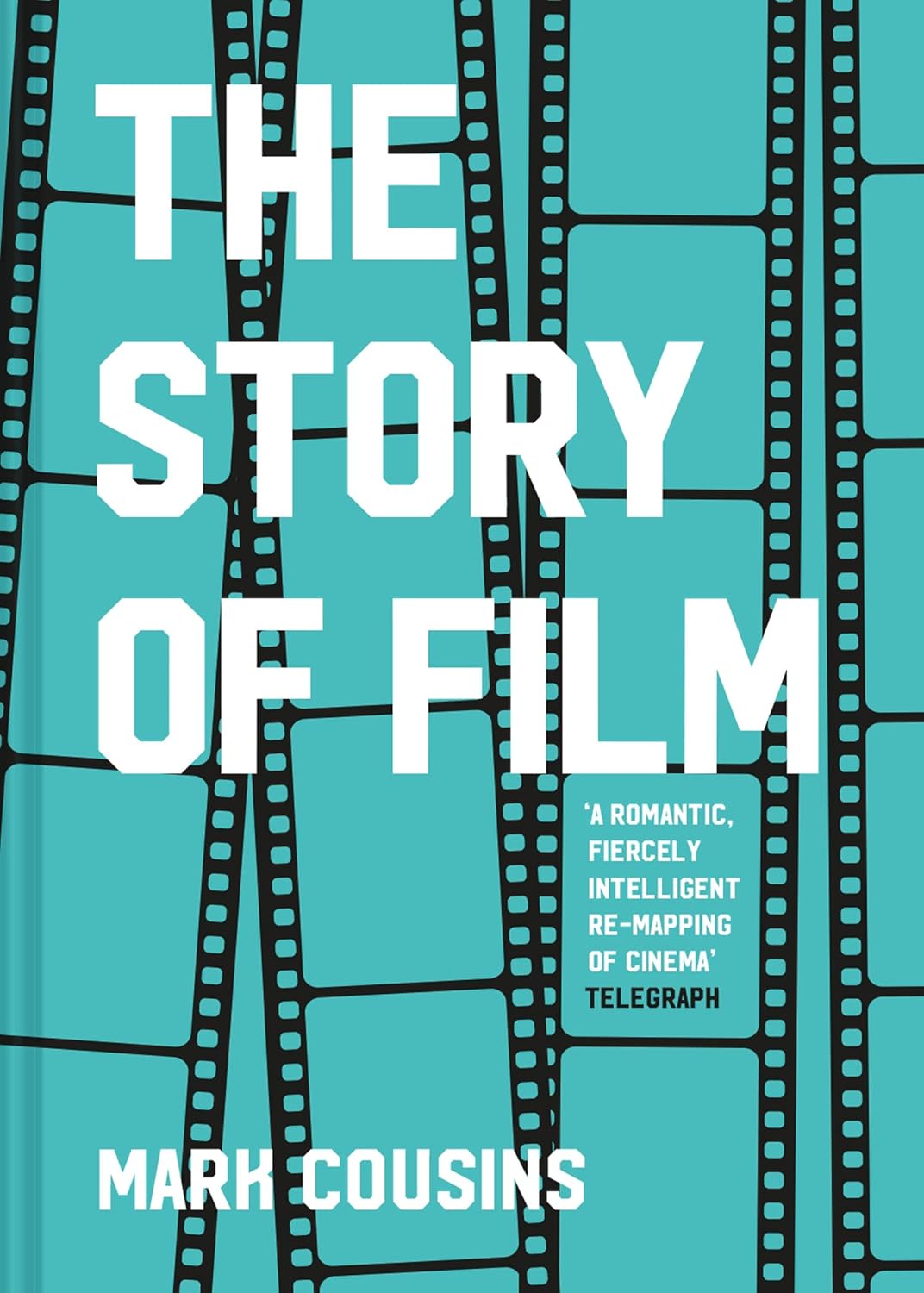
Welcome to our latest exploration of one of the most compelling narratives in the world of cinema-The Story of Film: The history of cinema, filmmakers and their art, for students and movie lovers. As avid film enthusiasts,we’ve eagerly delved into this updated edition that promises to shed new light on the rich tapestry of cinematic history. Authored by Mark Cousins, this book serves as an accessible and enlightening companion to his acclaimed 15-hour documentary, The Story of Film: An Odyssey.
In these pages,we find an engaging journey through the evolution of filmmaking,divided into three pivotal epochs: Silent,Sound,and Digital. Each section draws us into the captivating interplay between past events and cinematic expression, illustrating how filmmakers influence and inspire one another across generations and geographies. With over 400 illustrations and a refusal to veer into jargon, Cousins invites us to experience film not just as observers, but as participants-asking how each story resonates with us on a personal level.
As we share our thoughts and reflections on this engaging read,we’ll explore how this edition not only enhances our understanding of classic cinema but also incorporates the latest developments in film technology and world cinema,making it a must-have for both dedicated film students and casual movie lovers alike. Join us as we unpack the insights that The Story of Film provides, illuminating the art and magic behind the silver screen.
table of Contents
Exploring the Cinematic Journey We All Love

When we dive into “The Story of Film,” we embark on a fascinating journey through the history of cinema. This book isn’t just another collection of dry facts; it’s a vibrant tapestry woven with stories of filmmakers who shaped the art of filmmaking. We can feel the pulse of each era, from the silent films of the late 19th century to the digital revolution that transformed our viewing experience. The narrative flows smoothly,making us feel like we’re conversing with a informed friend rather than reading an academic text. Every chapter brims with passion and insight, making it a must-have for students and cinema lovers alike.
One of the things we appreciate most is how Mark Cousins blends history, art, and personal reflection. The way he connects filmmakers across generations adds depth to our understanding of their influence. As an example, we love how he illustrates the evolution of Hollywood melodrama through examples like Douglas Sirk and Rainer Werner Fassbinder. These connections not only underscore the importance of context in filmmaking but also remind us of the rich tapestry of cinematic inspiration that continues to shape movies today.This isn’t just about watching films; it’s about truly grasping the art behind them.
The illustrations play a crucial role in enhancing our experience. With over 400 stills, we visually engage with the narrative. Seeing iconic scenes and learning about their significance deepens our appreciation for cinematography and storytelling. Cousins doesn’t shy away from unpacking complex ideas, but he does so in a way that’s approachable. It’s like having a friendly tutor guiding us through the intricate world of film. As we read, we can hear the echo of each movie’s emotional resonance, making it a new way of viewing the films we love.
As we flip through the pages, it’s hard not to get lost in the various thematic discussions. By diving into social and political contexts,Cousins reveals how films reflect the cultures from which they emerge. This book motivates us to watch films with a more critical eye.Next time we sit down for a movie night, we can appreciate not just the plot, but also the creators’ intentional choices.It’s a lovely blend of education and entertainment that captures the essence of what cinema is all about.
Unpacking the Rich Features of Our Film Odyssey

, we find ourselves navigating the vast terrains of cinema history in a way that feels both enlightening and engaging. As we delve into “The Story of Film,” we’re greeted by an architecturally rich narrative that doesn’t just recount facts but draws us into the experiences that shaped the films we love. The author, Mark Cousins, crafts this historical journey by weaving together stories of renowned filmmakers and their creative processes, making the book not just a tome of factual history but a narrative that captures the essence of cinema as an art form. With over 552 pages filled with insights and illustrations, this book has become an essential companion for both avid film students and casual moviegoers alike.
This edition is refreshingly accessible. We appreciate how Cousins avoids jargon and complex theoretical language, opting rather for a style that feels like a friendly conversation with a passionate cinephile.This approach allows us to fully engage with the content, fostering a deeper understanding of how historical events and cultural shifts have influenced filmmaking across different epochs-from silent films of the late 19th century to the advent of digital cinema in the present day. Each chapter resonates with detailed anecdotes and gorgeous stills, which, together, help us visualize the evolution of film techniques and styles while making it easy to grasp the emotional and political weight that various films carry.
What we find particularly appealing is how the book is structured around three monumental phases in cinematic history: Silent, Sound, and Digital. This organization helps us easily traverse the landscape of film, allowing for meaningful reflections on how each innovation has transformed storytelling. With special emphasis on both Hollywood and international cinema, Cousins successfully bridges cultural gaps, exploring films from every corner of the globe. We notice how filmmakers have often influenced one another across borders,producing a rich tapestry of ideas that transcends national identities. It’s this cross-pollination of influences that not only fascinates us but enriches our understanding of global cinema.
Additionally, the effective use of over 400 images throughout the book enhances our experience, especially for visual learners like us.We find that images of key film scenes and techniques provide a compelling visual context for Cousins’ analysis. The illustrations don’t merely serve decorative purposes; they actively contribute to our learning by reinforcing concepts discussed in the text. If we’re looking to deepen our appreciation for film history, it’s clear that this book serves as a powerful tool that complements the accompanying documentary series beautifully.
Diving Deep into the Cinematic Masterpieces We Discover

When we dive deep into cinematic masterpieces, we often find ourselves yearning for a more profound understanding of the films we adore.That’s where “The Story of Film: The history of cinema, filmmakers and their art, for students and movie lovers” comes into play. This book serves as an extraordinary guide through the vast and intricate world of film history, making it an essential resource for anyone passionate about cinema.
The beauty of this book lies in how it chronicles cinema’s evolution. Covering the notable eras of Silent, Sound, and digital film, it highlights the influences of historical events on filmmakers and their artistry. With over 400 illustrations,we get not just words but visuals that enhance our comprehension of how different techniques and styles emerged. We appreciate how the author connects mainstream American cinema with global film movements, demonstrating that storytelling transcends borders.
As we delve into it’s chapters, the conversational tone makes complex ideas easier to grasp. We feel like we’re chatting with a knowledgeable friend rather than reading a dry textbook.It’s no wonder many readers have mentioned how engaging it is, even compared to watching films. It’s an experience we can genuinely recommend for both newcomers and seasoned film buffs alike. Each page offers insights that spark our curiosity and deepen our appreciation for the art of filmmaking.
The detailed exploration of various cinematic techniques also captivates us. the way the author explains lighting, framing, and editing choices resonates well, helping us connect why certain scenes evoke specific feelings. This book does an amazing job of answering the essential question of how a scene affects us emotionally, which we find crucial for understanding the storytelling behind films. It’s perfect for readers who cherish both the academic and the experiential sides of cinema.
Ultimately, “The Story of Film” is not just a book; it’s an invitation to journey through film history, all while enriching our outlook on the art form we love. We can’t help but encourage anyone who shares our passion for movies to pick up this captivating read. Together, let’s uncover the layers and complexities of the cinema we enjoy!
Sharing Our Insights on the Evolution of Film

When we think about the evolution of film, it’s hard not to get excited. The medium has changed so much over the years, captivating audiences in ways that where onc unimaginable. “The Story of Film” gives us a front-row seat to that journey. This is not just a book; it’s an extensive history of cinema, filmmakers, and their art, perfectly suited for both students and film enthusiasts. It traces how films have reflected societal changes and technological advancements, making it a must-have for anyone interested in the intricate web of filmmaking history.
One key feature of this book is its approachable writing style. Mark Cousins takes complex film theories and makes them accessible. This means that whether you’re a casual moviegoer or a dedicated film student,you can dive into the chapters without feeling overwhelmed. The book is thoughtfully structured into three main epochs: Silent, Sound, and digital cinema, which adds to its clarity, guiding us through a timeline of cinematic evolution. Each chapter is filled with insightful commentary and includes over 400 photos that illustrate the topics discussed, enriching our understanding of the visual elements of film.
From our perspective,this book excels at making connections between filmmakers across generations. As an example, it helps us appreciate how Douglas Sirk’s melodramas influenced later directors like Rainer Werner fassbinder.These insights invite us to see films not merely as standalone pieces but as part of a larger dialog in cinematic history. Plus, its rich exploration of international cinema broadens our view, showing us how stories and techniques transcend cultural boundaries.
As we sift through the pages, we find that this book isn’t just about explaining film mechanics.It’s an invitation to feel and experience films more deeply.The way Cousins encourages us to look at lighting, framing, and editing really helps us understand how filmmakers craft their narratives. It’s this emphasis on engagement that makes “The Story of Film” not just informative, but also a pleasure to read.
we can’t help but recommend this book for anyone who wants to deepen their appreciation of film. With its insightful analysis and beautifully curated visuals,it offers an invaluable resource for both learning and enjoyment.For those ready to dive into the world of cinema history, we suggest heading over to Buy now on Amazon.
Recommending the Treasure Trove for Every Film Enthusiast

The Story of Film is an incredible read for every film enthusiast out there. Whether you are a student diving into cinematic history or a movie lover wanting to deepen your appreciation for the art,this book is definitely a treasure trove of knowledge. We found it to be a vast resource that beautifully chronicles cinema’s evolution across various eras. The exploration of how filmmakers influence one another, paired with the historical context they operated in, makes this book exceptionally engaging. Plus, the combination of rich illustrations and well-organized content enhances our understanding and enjoyment.
One of the standout features of this book is how it connects films to their respective societal events, guiding us from the silent era to the present day with clarity and creativity. It’s like having a conversation with a knowledgeable friend who really understands how film techniques, like lighting and editing, affect our viewing experience.The inclusion of chapters that span different global film styles is a treat. We love how it includes not just Hollywood, but also cinema from Europe, Asia, and beyond, showcasing how these cinematic ideas transcend borders.
The clarity and straightforwardness make it accessible for everyone. While we sometimes found academic texts challenging, the approach taken here is refreshing. We appreciated how it avoids jargon,making complex ideas easy to digest. Readers who wish to explore the deeper themes behind films will find this book a supportive companion. For those of us who tend to remember details better through reading, this book serves as a fantastic reference point alongside the accompanying documentary series. We believe that anyone with a passion for film will gain not only knowledge but also a broader appreciation for world cinema.
Customer Reviews Analysis

Customer Reviews analysis
As we delve into the customer reviews of The Story of Film, it becomes clear that this book resonates with a diverse audience, spanning students, film enthusiasts, and casual readers alike. We’ve gathered key insights from the feedback to provide a clearer picture of what to expect from this remarkable work.
Positive Highlights
- Comprehensive Content: Many readers appreciate the vast knowledge contained within the pages. Phrases like “a fantastic and insightful history of film” and “an extremely deep analysis of films” emphasize just how thorough the book is in covering a wide range of cinematic topics.
- Engaging Reading Experience: Several reviewers mention the book’s engaging style, with one noting that it feels like ”having a conversation with an old friend.” This quality, alongside its well-researched content, makes it appealing to those looking to learn about film history.
- Gift Potential: Customers have reported success in gifting the book. One reviewer shared that their wife, an avid reader, declared the book enjoyable, affirming its appeal to various literary tastes.
Areas for Enhancement
- Accessibility: Some readers found the content challenging, describing it as “very hard going and arduous to follow the thread.” This suggests that while the book is informative, readers might need to approach it at their own pace or use it as a reference rather than a straight read.
- Presentation: A review noted that the edition could be “prettier,” indicating that the aesthetic quality might not meet everyone’s expectations, even if the content shines.
- condition Issues: A couple of customers experienced problems with the book’s condition upon arrival, leading to disappointment. While many received their copies in perfect condition, the potential for mishaps should not be overlooked.
Summary of Reviews
| Aspect | Review Score | Comments |
|---|---|---|
| Content Quality | ⭐⭐⭐⭐⭐ | Thorough & insightful analysis of film history |
| Engagement | ⭐⭐⭐⭐ | Feels like a conversation with a knowledgeable friend |
| Accessibility | ⭐⭐⭐ | Challenging for some readers to follow |
| Condition on Arrival | ⭐⭐⭐⭐ | Generally good, but issues reported with damage |
our analysis shows that the Story of Film is both a treasured resource for film studies and an enjoyable read for cinema lovers. Despite some notes of caution regarding its accessibility and delivery condition, the overall sentiment from customers is overwhelmingly positive. Whether you’re gifting it, using it for research, or enjoying it for personal knowledge, this book certainly seems to hold a valuable place in the realm of film literature.
Pros & Cons
Pros & Cons of The Story of Film
Pros
- Comprehensive Coverage: The book spans a wide range of cinematic history across multiple continents and eras, making it a rich resource for both students and casual readers.
- Accessible Language: Mark Cousins utilizes straightforward language that avoids jargon, ensuring that readers from all backgrounds can engage with the content.
- Visual Appeal: With over 400 stills, the book effectively illustrates key cinematic techniques, enriching our understanding of film scenes.
- Interconnectedness of Cinema: The exploration of how filmmakers influence and inspire one another across time and geography is both enlightening and thought-provoking.
- Updated Content: This revised edition includes new chapters that address recent advancements in technology and trends in world cinema,keeping it relevant for today’s audience.
Cons
- Lengthy Read: At 552 pages, some readers might find the book intimidating or challenging to get through, especially if they prefer quicker reads.
- Note on Depth: While it offers a broad overview, those seeking in-depth analysis of specific films or directors may find it lacking in detail.
- Subjectivity: The author’s personal opinions may color the narrative, which could lead some readers to feel a sense of bias in certain sections.
- Physical Size: As a hardcover book, it might be cumbersome to hold for extended reading sessions, possibly reducing enjoyment.
- Availability: Some may find it hard to locate in local bookstores, although it is available online.
| Aspect | Pros | Cons |
|---|---|---|
| Content Coverage | Comprehensive across eras and regions | Lacks depth on individual films |
| Language | Accessible and engaging | Subjective opinions may present bias |
| Visuals | Richly illustrated | Size may hinder extended reading |
| Edition | Includes updated content | Length may deter some readers |
Q&A
Q&A Section: “”
Q1: What makes The Story of Film stand out from other film history books?
A1: We find that The story of Film is distinguished by its approachable writing style and engaging narrative. Mark Cousins effectively combines the history of cinema with insightful analysis,making complex topics accessible for both students and casual readers. Unlike other academic texts, this book avoids jargon, which allows us to connect with the content more deeply.
Q2: How is the book structured, and does it cover different filmmaking eras effectively?
A2: The structure of the book, divided into three main epochs-Silent, Sound, and Digital-provides a clear framework for understanding the evolution of cinema. We appreciate that each section is rich with examples of films and filmmakers from various countries, highlighting not just American cinema but also international influences. This approach gives us a comprehensive perspective on how the art of film has developed over the years.
Q3: Are the illustrations and stills helpful for understanding the concepts discussed in the book?
A3: Absolutely! the inclusion of over 400 stills enriches our reading experience considerably. These visual elements not only illustrate the points being made but also enhance our understanding of specific cinematic techniques.We believe that they are essential for grasping how filmmakers use lighting, framing, and editing to convey emotion and narrative.
Q4: Is The Story of Film suitable for those who are not film students?
A4: We think this book is highly accessible, making it suitable for anyone with an interest in films, regardless of their academic background. Cousins’ conversational tone helps demystify filmmaking,allowing movie lovers to gain insights into the art form without needing a deep understanding of critical theory. It’s like having a knowledgeable friend guide us through film history.
Q5: Does the updated edition include recent developments in the film industry?
A5: Yes! The updated edition includes completely new chapters that reflect the rapid developments in technology and the expanding landscape of global cinema. This addition allows us to explore how recent innovations have transformed the way films are made and consumed, thereby keeping the content relevant for contemporary readers.
Q6: What do readers generally think about The Story of Film?
A6: The reception has been overwhelmingly positive, with an notable average rating of 4.6 stars from over 180 reviews. readers frequently highlight its engaging narrative and the way it connects historical context with cinematic techniques, reaffirming our belief that this book is a must-read for film enthusiasts.
Q7: Who would you recommend The Story of Film to?
A7: We recommend this book to anyone interested in cinema-whether you’re a film student, a budding filmmaker, or simply a passionate moviegoer. It’s a compelling read for those looking to deepen their understanding of how films reflect and influence societal changes throughout history.
Seize the Opportunity
As we wrap up our exploration of “The Story of Film,” it becomes clear that this remarkable book is not just a history lesson; it’s an invitation to engage with the art of cinema on a deeper level. Mark Cousins’ insightful narrative bridges the gaps between epochs and cultures, offering us a panoramic view of how film has evolved as a powerful storytelling medium. With its rich illustrations and compelling text, this updated edition provides a treasure trove of knowledge for both students and passionate movie lovers alike.
Whether you’re delving into the silent era’s groundbreaking innovations or marveling at the digital revolutions reshaping our screens today, “the Story of Film” speaks to our shared love of cinema. it’s a guide that inspires us to appreciate the intricate dance between filmmakers and their historical contexts, enhancing our viewing experiences one frame at a time.
So, if you’re ready to embark on your cinematic journey through time, we highly recommend adding this essential book to your collection. Grab your copy today and let the story unfold: Order “The Story of Film” now!