
Welcome to our exploration of “Introduction to Graph Theory,” a gem from the Dover Books on Mathematics collection. We’ve had the pleasure of diving into this engaging text, and we’re excited to share our firsthand experience with you. Designed with both the mathematically curious and the apprehensively inclined in mind, this book offers a nontechnical yet captivating journey through the fascinating world of graph theory.
Ever felt intimidated by complex mathematical concepts? Fear not! This book boldly states its aim to ease those fears, inviting readers from all backgrounds to explore the beauty of pure mathematics.Whether you’re a seasoned mathematician or someone who recently cringed at the idea of high school algebra, “introduction to Graph Theory” promises to be an accessible and enjoyable read.
As we navigate through its pages, we’ve discovered not just definitions and theorems, but also a treasure trove of classic puzzles like the Seven Bridges of Königsberg and engaging exercises that invite practical application of what we learn. each chapter leads us seamlessly from the basics of simple graphs to sophisticated topics, all while maintaining clarity and elegance in its writng.
So, whether you’re self-studying or searching for a supplementary resource to enrich your understanding, join us as we delve deeper into this essential guide. Let’s uncover the charm and intrigue of graph theory together!
Table of Contents
exploring the Foundations of graph Theory with Dover’s Classic Text

We’ve all been there-sitting in front of a complex math book, feeling overwhelmed and wondering where to even start. Thankfully, with Dover’s classic text, we can delve into the fascinating world of graph theory without that sense of anxiety. This book is designed not just for those with a strong mathematical background, but also for the “mathematically traumatized.” It takes us on a stimulating excursion into pure mathematics.We love how it introduces exciting concepts from simple graphs to planar graphs and intriguing topics like Euler’s formula, all while remaining accessible and engaging.
one of our favorite aspects of this book is its clear and concise writing. It feels almost like a conversation with a knowledgeable friend who is eager to share their passion for mathematics. The author emphasizes a relaxed approach, making complex ideas seem less daunting. With onyl high school algebra needed as a prerequisite, we found this book perfectly suited for anyone, whether we’re complete beginners or seasoned math enthusiasts looking to brush up on our graph theory skills. Plus, the inclusion of exercises in each chapter ensures we’re not just passively absorbing details; instead, we get to actively engage with the content.
While it does an exceptional job covering the fundamentals, there are some concepts we wished had a bit more depth. As a notable example, the book skims over directed graphs, which would have been quite beneficial for understanding applications in fields like electrical network analysis. Though, it does cover many essential ideas and lays a solid foundation. We appreciate that the author keeps a amiable tone throughout, using humor and anecdotes to make the material more relatable. This approach transforms what could be a dry subject into an uplifting and informative experience.
All things considered, if we’re looking for a straightforward introduction to graph theory, we can’t recommend this book enough. It opens doors to a deeper understanding of the subject while preparing us for more advanced readings. plus,at a budget-friendly price,it’s a fantastic resource for students,teachers,or anyone simply curious about mathematics.We say it’s well worth adding to our collection!


Key Features That Enhance Our Understanding of Graph Structures

When we dive into “Introduction to Graph Theory,” we quickly realize that it offers unique characteristics that truly enhance our grasp of graph structures. The book is tailored for those who might feel intimidated by mathematics, making it a welcoming entry point into the world of graph theory. With a relaxed tone and clear explanations, we find that complex topics like planar graphs, Euler’s formula, and the famous Seven Bridges of Königsberg are presented in an engaging way. This approach not only demystifies graph theory but also sparks our curiosity to learn more.
One standout feature is the book’s interactive learning style, filled with exercises that challenge us to apply the concepts we’ve just absorbed. This hands-on approach makes the material stick and encourages us to think critically about different graph scenarios. It’s satisfying to tackle these exercises, as they help reinforce our understanding and provide practical experience with the theory we’ve learned. We appreciate that each chapter builds on the previous one, guiding us through various graph topics without losing clarity or focus.
another aspect we love is the author’s knack for storytelling. He weaves anecdotes and humor into the explanations, keeping us engaged even when the subject matter gets a bit dense. It feels less like a textbook and more like a conversation with a knowledgeable friend. As we turn each page, we’re not just cramming definitions into our heads; rather, we’re truly absorbing the material in a way that feels natural and enjoyable.This refreshing method fosters a deeper understanding and makes us more excited about the potential applications of what we’re learning.
the features of this book go beyond mere content delivery. They create a rich learning habitat that caters to varied backgrounds, allowing us to explore graph theory’s intricacies at our own pace. Whether we’re simply brushing up on basic principles or diving into advanced concepts,the book’s accessibility and engaging style make it a fantastic resource. This isn’t just a book for the mathematically inclined; it’s an adventure into the fascinating world of graphs that anyone can appreciate.
Diving Deeper into Concepts and Applications in Graph Theory

We often find ourselves delving into the intricate world of graph theory, and for that, the right resource can be a game changer. One such book that truly captivates our interest is a delightful introduction to the subject, aptly designed for those who may not have had extensive math backgrounds. It provides an engaging excursion into pure mathematics, enlightening us on everything from simple graphs to more advanced concepts like planar graphs and Euler’s formulas. This book fosters a genuine curiosity about the field while grounding us in essential theory.
As we explore the pages filled with clear explanations and engaging exercises, we notice that it doesn’t shy away from touching on profound concepts like the Seven bridges of Königsberg, turning what could be a dry topic into an enjoyable adventure. The author’s style is refreshingly informal and humorous, making it accessible for those who might feel intimidated by such subjects. We appreciate the thoughtfully crafted chapters that build upon each other, providing plenty of examples that reinforce our understanding without overwhelming us with excessive detail.
While it’s true that this introduction may not dive into the complexity of directed graphs or some other advanced topics we might find in more rigorous texts, it provides a solid grounding for anyone interested in applying graph theory practically, like in engineering challenges. We feel this book strikes a balance between simplicity and depth, enabling us to grasp the fundamentals without getting lost in abstract proofs or terminology that can frequently enough alienate newcomers. As we navigate through its pages, it becomes clear that this book is more than just a learning tool; it’s an invitation to explore a mathematical realm we might have once deemed inaccessible.
In our journey through graph theory, we learn that while this book covers the essentials, it also prompts us to think critically about applications and extensions beyond its pages.With every exercise, we build a toolkit for approaching real-world problems through a mathematical lens. We find ourselves jotting down notes and insights,eagerly anticipating how we might use this newly acquired knowledge in our respective fields. This book not only teaches but excites a passion for continued discovery in the vast landscape of graph theory.
Our Insights: Navigating challenges and Embracing Opportunities
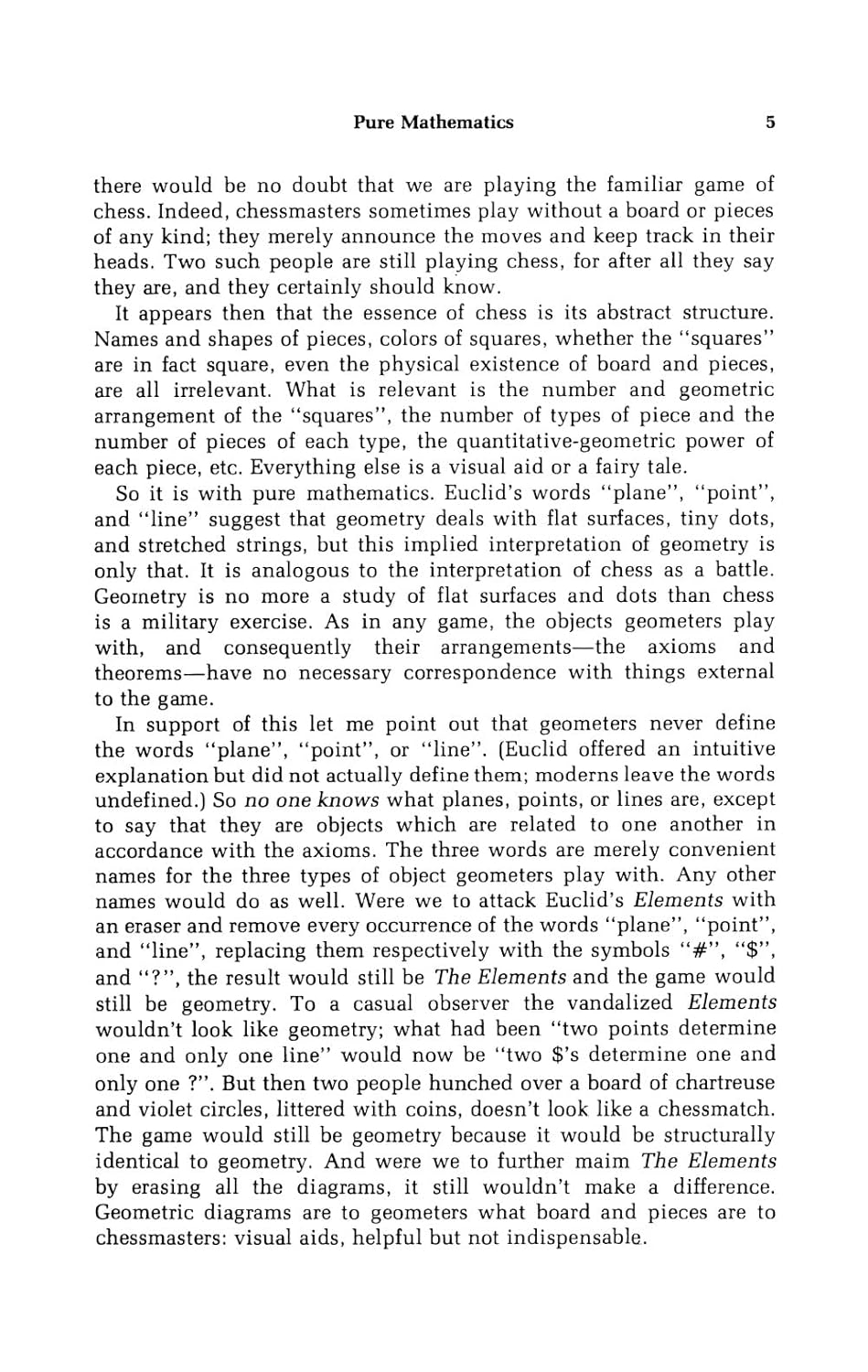
Delving into graph theory can be a bit overwhelming, especially for those of us who might have had a rough patch with math in our past. Yet, the book we’re discussing does an exceptional job of leading us through this fascinating topic. It presents graph theory not as a daunting mountain to climb, but as an enjoyable journey filled with captivating puzzles and enlightening concepts. With a pinch of humor and plenty of relatable scenarios, the author draws us in and encourages us to keep turning the pages.
One of the standout features of this text is its accessibility. We appreciate that it is aimed at readers with only a grasp of high school algebra, making it perfectly suited for anyone curious about the subject. This inclusion creates a welcoming atmosphere for those who have been hesitant about pursuing mathematics. It feels like having a chat with a friendly neighbor who just happens to be a graph theory expert.Plus, the exercises sprinkled throughout offer us a chance to engage actively with the material, reinforcing understanding in a low-pressure setting.
Though, it’s not all sunshine and rainbows. There are some gaps in the content that we’ve noted. For example, readers looking for a thorough exploration of directed graphs will find their needs unmet. Additionally, while many crucial concepts of graph theory are presented, some important topics-like the nuances of trees and cut-sets-are glossed over or disguised within end-of-chapter problems. It’s like finding breadcrumbs rather of the full loaf. Still, the fundamentals laid out in the book act as a stepping stone for those who may venture into more complex studies later on.
In the grand scheme of things, this book serves as a solid foundation for anyone stepping into the world of graph theory. the clear writing, engaging style, and approachable content help demystify what could be a bewildering subject. Looking back, we can easily say that our excitement for graph theory blossomed as we followed the author’s passionate explanations. If a strong foundation is what we seek, this book is undoubtedly worth making room for on our shelves.
Recommendation Corner: Who Will Benefit Most from This Book

If you’re curious about graph theory but feel intimidated by the math world, this book is a perfect fit for you. We all know that jumping into advanced mathematical concepts can be overwhelming. However, for anyone who might consider themselves “mathematically traumatized,” this book serves as an engaging and accessible doorway into the subject. With relatable examples and a conversational style, it helps demystify the topic and makes learning fun. We think that whether you’re a teacher trying to find resources for your class or a curious learner, you’ll find this book to be a great asset.
Students who have just taken a discrete mathematics course will also find a lot to love here. If you’ve had a taste of graph theory and wont to build a solid foundation, this is your chance. The clear explanations allow us to grasp key concepts without drowning in technicalities. it’s designed for those who may not be familiar with rigorous mathematical proofs. The intuitive teaching approach enhances our understanding and boosts our confidence to tackle more advanced materials later on.
Than there are enthusiasts and hobbyists who simply enjoy math or want a relaxing read about an interesting topic. For those of us who love to explore new subjects in casual settings, this book is an absolute gem. With amusing anecdotes and rich past context, the material feels almost like a story. The interactive exercises throughout the chapters encourage hands-on exploration, which is fantastic for reinforcing what we learn. If you’re someone who thrives on practical application, you’ll appreciate these thought-provoking problems that help solidify the essential concepts.
Lastly, we believe that even seasoned mathematicians can find value in revisiting the basics through this delightful read. Sometimes,we all need a refresher,or maybe even a simpler approach to a complex topic.The joy of learning shouldn’t be lost in rigorous notation and abstract proofs, and this book effectively captures that joy. Whether you’re teaching, self-studying, or simply keeping your mathematical interests alive, this book has something for everyone.
this book provides a agreeable entry point into graph theory that appeals to a diverse audience. With its engaging writing style, comprehensive coverage of essential topics, and interactive learning elements, we highly recommend it to anyone-whether you’re an anxious first-time learner, a curious student, or a math enthusiast looking to deepen your understanding of graph theory.
Customer Reviews analysis

Customer Reviews analysis
After gathering and analyzing a multitude of customer reviews for “Introduction to Graph Theory” by Professor trudeau, we are pleased to share some insights into what our readers think about this insightful book. The overall consensus leans towards a positive reception, praised primarily for its accessibility and engaging writing style. Below, we summarize key observations from our analysis:
Strengths
- Clear and Engaging Writing: Many readers appreciate the author’s clear, friendly, and entertaining writing style. Reviewers noted that the book lays a solid foundation in graph theory, making it approachable for those with little or no prior mathematical background.
- Effective Examples: The inclusion of numerous examples is seen as one of the book’s major strengths.Reviewers mentioned feeling supported throughout their learning process, without significant gaps in explanations.
- Accessible for Beginners: The book is deemed ideal for individuals just starting to explore graph theory, with many noting its informal tone and humorous elements that make learning enjoyable.
Areas for Advancement
- Lack of Advanced Topics: A recurring theme among critics was the absence of directed graphs, trees, and more advanced concepts such as graph algorithms. Some readers expressed a desire for more rigorous treatment of the subject matter.
- Not Comprehensive for Application: While the book serves as a strong introduction, those looking for applied mathematics or practical applications, especially in fields like electrical engineering, were left wanting more.
- Repetitive Content: A few reviewers commented on the potential redundancy in examples or lengthy explanations within chapters, suggesting that more concise content could enhance understanding without diluting the learning experience.
Overall Sentiment
the customer reviews indicate that “Introduction to Graph Theory” is a fantastic starting point for anyone intrigued by the basics of graph theory. Its accessibility and engaging approach certainly outweigh its drawbacks for beginners. whether you’re teaching yourself, preparing for more advanced studies, or just looking to rekindle a past interest, this book stands out as a valuable resource.
Customer Feedback Summary
| Aspect | Positive feedback | Negative Feedback |
|---|---|---|
| Writing Style | Clear, entertaining, humorous | Informal, sometimes lacking rigor |
| Examples | Numerous, supportive | Occasional repetition |
| Content Depth | Good for beginners | missing advanced topics, practical applications |
This section provides a consolidated analysis of customer sentiments regarding the book, highlighting strengths and weaknesses based on collected feedback. The use of structured elements like lists and tables makes the information easy to digest for readers browsing the blog post.
Pros & Cons

Pros & Cons of “Introduction to Graph Theory”
| Pros | Cons |
|---|---|
| Accessible Language: The book is writen in a clear and engaging style that makes complex mathematical concepts easier to understand. | Narrow Focus: while it provides a solid introduction,readers looking for an exhaustive textbook on graph theory may find it lacks depth in advanced topics. |
| engaging for Beginners: Perfect for those who may feel intimidated by mathematics, notably “the mathematically traumatized.” | Limited Prerequisites: Although the minimal requirement is high school algebra,some readers may still struggle with foundational concepts. |
| Hands-On Learning: The inclusion of exercises throughout the text supports active learning and reinforces comprehension. | Age of the Edition: Being originally published in 1976, some examples or techniques might feel outdated to modern readers. |
| Enjoyable Exploration: The text covers fascinating concepts, including classic puzzles like the Seven Bridges of Königsberg, making it fun for both hobbyists and serious mathematicians. | Limited Applications: Those seeking practical applications for graph theory in real-world scenarios may find the discussions somewhat abstract. |
| Supplementary Resource: A fantastic resource for students and teachers, it serves as an excellent complementary text to more rigorous studies in mathematics. | Varied Depth of Topics: Different topics may appeal to varied audiences, but some sections might not provide enough detail for advanced learners. |
Q&A

Q&A Section for “”
Q1: What is the target audience for “Introduction to Graph Theory”?
A1: This book is primarily aimed at those who may feel intimidated by mathematics, described as “the mathematically traumatized.” However,it also caters to mathematical hobbyists and serious mathematicians looking for an engaging exploration of graph theory.
Q2: Do we need advanced math skills to understand this book?
A2: Not at all! The only prerequisite is a background in high school algebra.This makes it accessible to a broad range of readers, from curious newcomers to those with more experience in mathematics.
Q3: How is the content structured in the book?
A3: The book starts with simple graphs and gradually progresses to more complex topics like planar graphs, Euler’s formula, and Hamiltonian paths. This structured approach allows for gradual learning and aids comprehension of each concept before moving on to the next.
Q4: Are there exercises included in the book?
A4: Yes! Each chapter contains exercises that reinforce our understanding of the material and provide opportunities for hands-on exploration.These thought-provoking problems help solidify the concepts covered and make the reading experience interactive.
Q5: How clear and understandable is the writing?
A5: The writing in “Introduction to Graph Theory” is noted for its clarity and elegance. Complex mathematical ideas are broken down into manageable pieces, making them easier to grasp. This nontechnical approach is one of the book’s strengths.
Q6: Can we use this book for self-study?
A6: Absolutely! This book serves as a fantastic resource for self-study and supplementary reading. Whether we are students, educators, or simply math aficionados, it provides a wealth of knowledge and enjoyable challenges.
Q7: Why should we choose this particular book over others on graph theory?
A7: This book’s unique combination of accessibility, comprehensive coverage, and interactive elements makes it stand out. We appreciate its clear explanations and engaging content, which make complex concepts approachable and enjoyable to explore.
Q8: How does this book relate to classic mathematical puzzles?
A8: “Introduction to graph theory” delves into famous problems, including the iconic Seven Bridges of Königsberg. This connection to classic puzzles not only illustrates the principles of graph theory but also adds an element of intrigue and historical context to our learning experience.
Q9: What is the book’s overall reception among readers?
A9: The book has garnered positive feedback, boasting a rating of 4.6 out of 5 stars from over 600 reviews.This high rating reflects its effectiveness in engaging readers and enhancing their understanding of graph theory.
Q10: Where can we find this book?
A10: “Introduction to Graph Theory” is available through various retailers,including online bookstores and local libraries. Its ISBN-13 is 978-0486678702, which can help us locate a copy easily.
We hope this Q&A helps shed light on what makes “Introduction to Graph Theory” a valuable addition to anyone’s mathematical library!
Seize the Opportunity
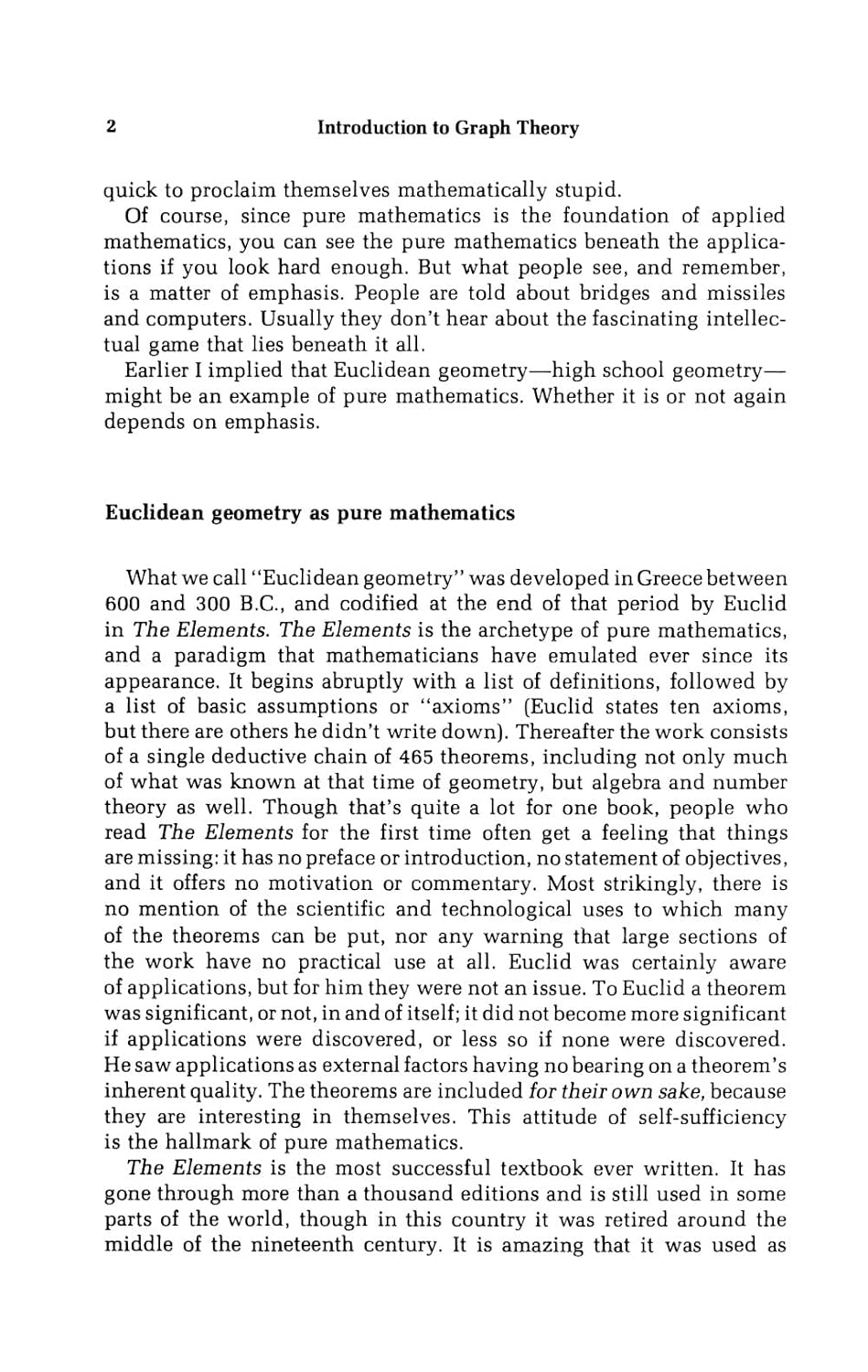
As we conclude our exploration of “Introduction to Graph Theory,” it’s clear that this book stands out as an exceptional gateway into a fascinating mathematical universe. Whether you’re grappling with the concepts for the first time or looking to rekindle your passion for mathematics, this text delivers an engaging and accessible experience. Its approachable style, comprehensive coverage, and thoughtfully designed exercises create an inviting atmosphere for learners at any level.
For those of us who may have felt intimidated by mathematics in the past, this delightful excursion into graph theory transforms fear into curiosity, offering a playful yet insightful take on essential topics from planar graphs to Hamiltonian paths. We believe that everyone can benefit from the stimulating journey this book provides, making it not just an excellent resource for students and educators, but also a delightful companion for hobbyists.
So why wait? Dive into the world of graphs and uncover the beauty of mathematics today. Get your copy of “introduction to Graph Theory” and start your adventure now!