In today’s fast-paced digital landscape, the agility and scalability of our datacenters can make a pivotal difference in how we handle evolving workloads and data demands.Having recently delved into “Modernizing the Datacenter with Windows Server and Hybrid Cloud” from Microsoft Press, we feel excited too share our insights from this comprehensive guide that promises to reshape how organizations can modernize their IT infrastructure.
Authored by two renowned experts in Microsoft datacenter technology, this book lays out a clear roadmap for transforming legacy systems into a robust, hybrid solution that seamlessly integrates on-premises and cloud services. whether we’re considering the transition to a hybrid cloud model or looking to enhance our existing capabilities, this guide touches on key areas like strategy formulation, security measures, and operational management that we’ve come to recognize as essential in our journey.
Join us as we explore the chapters that tackle everything from implementing effective software updates to optimizing datacenter efficiency. We’ve found that the practical, step-by-step approach offered by the authors not only clarifies complex concepts but also empowers us with strategies to bolster our operational resilience. As we dive into the details of this pivotal resource, we look forward to sharing how it can serve as a cornerstone for those aiming to stay ahead in a world where adaptability and innovation are paramount.
Table of Contents
Overview of Our Journey into Modernizing the Datacenter
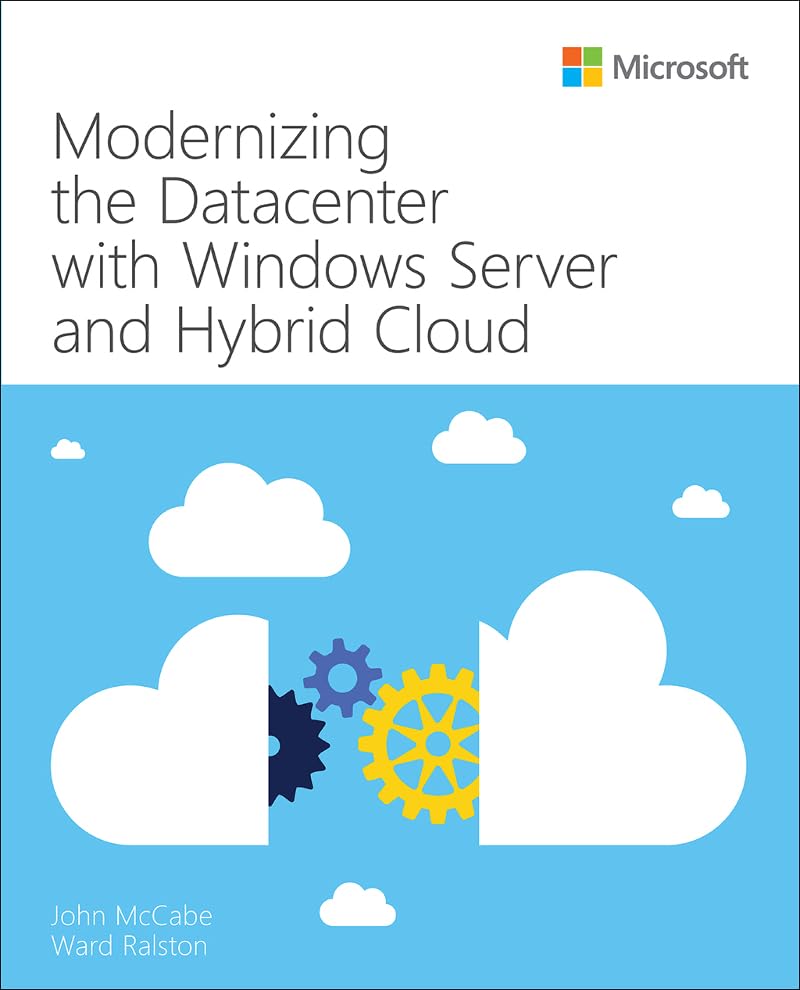
When we first set out on our journey into modernizing the datacenter, we were eager to embrace the transformative potential of cloud technology. The guide we found, “Modernizing the Datacenter with Windows Server and Hybrid Cloud,” has become an indispensable resource. it clearly articulates how organizations can harness public, private, and hybrid cloud services to address fast-changing workloads and massive data processing needs. The insights provided by the authors are practical and grounded in their real-world experiences, giving us the confidence to tackle our own datacenter upgrades.
We appreciated the step-by-step approach outlined in the book. Each chapter walks us through critical components of a triumphant transition-from strategy to deployment and security. The authors don’t just throw around technical jargon; they break down complex concepts like PowerShell automation into digestible parts. This made it easier for us to visualize how to effectively integrate our legacy systems with modern practices. We learned practical ways to implement managed self-service and iteration-based software updates, paving the way for a seamless transition into an agile IT surroundings.
The focus on building a robust security framework is another highlight. With ever-evolving cybersecurity threats,the guidance on fortifying IT security now and in the future is invaluable. The part about safeguarding identities with tools like Remote Credential Guard has notably resonated with us, as protecting sensitive information is a top priority. With concrete advice on maximizing datacenter efficiency, the guide inspires innovation through emerging technologies like microservices and containerization, which are critical for staying competitive in today’s market.
embarking on our journey to modernize the datacenter has been less daunting because of the clear path laid out in this book. It’s not just theoretical; the insights shared are designed for practical application. For anyone looking to transform their datacenter, we highly recommend diving into this guide-it captures the essence of modern IT practices and delivers them in an engaging way that feels achievable for organizations of all sizes.
Exploring Key Features of Windows Server and Hybrid Cloud
When we dive into the intricacies of modern data centers, one standout resource is the book that focuses on transforming infrastructures with Windows Server and hybrid cloud technologies. This is not just another tech manual; it’s a roadmap designed to help organizations like ours rethink how we utilize resources. The authors bring years of experience in Microsoft technology to the table, diving deep into legacy systems and the myriad ways cloud offerings can enhance performance. They break down essential features that can ultimately lead to agility and efficiency across the board.
Among the key features highlighted, the book emphasizes the importance of an agile service structure that allows for managed self-service.Imagine a scenario where our team can deploy resources without waiting for IT approvals.This capability streamlines operations. Plus, with immutable infrastructure and iteration-based software updates, we find ourselves not just keeping up, but advancing past our competition. It’s a liberating feeling to think we can implement these features easily and efficiently.
Another critical focus area is security, which cannot be overstated in today’s digital landscape. This resource guides us on fortifying our IT security with modern tools like Remote Credential Guard and identity protection systems. These features not only safeguard our environment but also help us establish a solid foundation for future innovations. With the increasing emphasis on data integrity and protection, having a compliant system in place makes us more resilient.
We also appreciate how the book discusses the integration of on-premises systems with Azure, Azure Stack, and hybrid cloud components. This seamless connection is vital for organizations looking to embrace the cloud without completely abandoning existing infrastructures. The practical frameworks outlined help us visualize how to blend these technologies, maximizing our investments and supporting rapid scalability.
As we explore these key features, the book serves as a vital tool that prepares us for modern challenges. It doesn’t just throw jargon at us; rather, it offers tangible solutions and proven strategies. For anyone navigating the complexities of Windows Server and hybrid cloud, this guide is a treasure trove of information that we can confidently rely on.
Unpacking the Benefits of Enhanced Scalability and Flexibility
When we dive into the world of modernizing the datacenter with Windows Server and hybrid cloud solutions, one of the standout benefits is undoubtedly enhanced scalability and flexibility. In our fast-paced technological landscape, organizations need tools that will adapt to their evolving resource demands. This product offers a robust framework for leveraging both on-premises and cloud resources, which means we can efficiently scale our operations based on workload changes. Imagine being able to quickly adjust resources in response to surges or dips in demand with ease-it’s a game changer.
By integrating public, private, and hybrid cloud services, we can transform our datacenters into incredibly flexible environments. The combination of on-premises infrastructure with the capabilities of Azure allows us to maximize performance while controlling costs. With features like managed self-service and immutable infrastructure, we can deploy services faster and with greater reliability. This adaptability not only boosts our operational efficiency, but it also positions us to innovate more readily, as we can focus our resources on what’s really crucial for our business growth.
Moreover, the principles laid out in this guide encourage us to adopt a mentality of continuous evolution. We can implement iteration-based updates and microservices architectures, which empower our teams to push features to production more reliably and with minimal disruption. This shift isn’t just about being agile; it’s about fostering an environment that can accommodate ongoing development while ensuring the security and integrity of our data. The supported practices explained in this book are actionable steps toward creating an IT environment that genuinely thrives on change.
as we embrace these advancements, we find that our organizations become more resilient against market shifts and disruptions. Enhanced scalability and flexibility become core components of our strategy, enabling us to mitigate risks while maximizing potential. That’s the beauty of modernizing our datacenters-we’re not just keeping pace; we’re driving forward with confidence.
in essence, leveraging these enhanced capabilities from Windows Server and hybrid cloud setups empowers us to outmaneuver challenges and seize opportunities in today’s competitive landscape. We’re ready for whatever comes next, armed with tools and strategies designed for growth and sustainability.
Insights from Our Experience with Integration and Management Tools
When we dove into the world of modernizing datacenters, one tool that stood out was the guide on transforming our infrastructure with windows Server and Hybrid Cloud. This resource is packed with insights straight from the field, showing us how to navigate the often complex integration and management landscape.We found that the dual expertise of the authors really shines through, guiding us through each step we need to take for a successful transition.
The guide walks us through managing legacy systems while smoothly integrating cloud services. We saw immediate benefits by implementing managed self-service and adopting an agile service structure. This approach allowed us to handle fast-changing workloads, something that was crucial for our operations. As we adopted these strategies, our ability to process and analyze vast amounts of data improved significantly, much to the delight of our data analysts.
One thing that struck us was how the authors emphasize security measures alongside infrastructure modernization. For us, safeguarding identities through Remote Credential Guard became a cornerstone of our strategy. The installation of these measures provided peace of mind as we ventured further into hybrid environments. By adhering to the best practices laid out in this guide, we have fortified our datacenter against future threats while boosting efficiency through enterprise-class virtualization.
We also appreciated the sections dedicated to emerging technologies like microservices and DevOps. These insights supported our initiative to foster a culture of innovation within our teams. The advice provided not only catered to technical implementation but also inspired us to rethink how we approach IT resources holistically. Adopting these tools has elevated our entire organization’s agility and responsiveness to market changes.
Recommendations for Seamless Implementation and Best Practices
When tackling the modernization of our datacenters,flexibility and scalability are key. After diving deep into this journey with insights from the book, we can confidently say that a hybrid cloud approach offers the perfect balance between traditional and modern practices. Embracing public, private, and hybrid cloud services enables us to adapt to fast-changing workloads while processing massive amounts of data.
A crucial best practice highlighted in the book is the importance of strategically planning the integration of on-premises systems with cloud components like Azure and Azure Stack. By doing so, we create a seamless environment that enhances efficiency. We should also prioritize implementing managed self-services for iteration-based software updates. This leads to smoother transitions and ensures our infrastructure remains agile and responsive.
Security also can’t be an afterthought. As we fortify our IT security, utilizing tools like remote Credential Guard ensures our identities remain protected. The experts emphasize that safeguarding our operating systems, both on-prem and in the cloud, is essential to mitigating risks. In our transformation journey, we should continuously assess and adapt our approach to security to keep pace with evolving threats.
promoting innovation through practices like microservices and devops enhances our ability to iterate and deliver value. The insights provided equip us with the necessary strategies to create an environment that not only meets our current demands but is also scalable for future innovations. Adopting these recommendations will significantly streamline our transition toward a modernized datacenter.
Customer Reviews Analysis
Customer Reviews Analysis
As we delve into the insights gathered from customer reviews of Modernizing the Datacenter with Windows Server and Hybrid Cloud,we notice a common thread that ties together the diverse opinions of IT professionals,system administrators,and enterprise managers. This product has consistently generated discussions around its clarity, depth, and practical applicability in real-world scenarios.
Review Highlights
Our analysis reveals a spectrum of perspectives regarding this guide. Below, we’ve categorized the reviews into key themes that emerged from customer feedback:
| Theme | Positive Feedback | Constructive Criticism |
|---|---|---|
| Clarity of Content | Many users appreciate the straightforward explanations that break down complex concepts. | Some reviewers felt certain sections could have been more detailed. |
| Practical Applications | Readers frequently highlight the practical examples given that facilitate implementation. | A few reviewers wished for more case studies specific to various industries. |
| Overall Structure | Users find the book well-organized,making it easy to navigate through topics. | Some argued that the index could include more keywords for easier reference. |
| Audience Suitability | IT professionals from diverse backgrounds feel the content is appropriate for both beginners and advanced users. | There were mentions that absolute beginners might struggle without prior knowledge. |
General Sentiment
After analyzing various reviews, we see a predominantly positive sentiment towards the book. Most reviewers appreciate its comprehensive nature and the balance it strikes between technical depth and accessibility. However, as with any publication, there are suggestions for advancement. This duality gives us a clear understanding that while the guide offers significant value, there is always room for refinement.
Conclusion
as we reflect on the myriad of customer reviews for Modernizing the Datacenter with Windows Server and Hybrid Cloud, we can confidently say that it serves as a vital resource for professionals looking to navigate the complexities of modern data center management. Our analysis not only underscores its strengths but also highlights areas where future editions could shine even brighter. we agree that if you’re in the field of IT management, this guide deserves a spot on your bookshelf.
Pros & Cons
Pros & Cons
In our review of “Modernizing the Datacenter with Windows Server and Hybrid Cloud,” we have examined various aspects to help you make an informed decision. Below, we present the key advantages and disadvantages of this comprehensive IT guide:
| Pros | Cons |
|---|---|
| ✔ Expert Insights: Written by leading experts in Microsoft datacenter technology, offering trusted guidance. | ✖ Market Focus: The content may be highly specialized for users already familiar with Microsoft products,possibly limiting broader applicability. |
| ✔ Comprehensive Coverage: Addresses a wide range of topics, from strategy to security, ensuring a holistic understanding. | ✖ complexity: The advanced topics might potentially be overwhelming for beginners without prior IT experience. |
| ✔ Modern Approaches: Introduces contemporary practices like microservices and DevOps, relevant for today’s evolving landscape. | ✖ Age of Material: Being published in 2019, some concepts might potentially be outdated in the fast-paced tech environment. |
| ✔ Practical Guidance: Step-by-step instructions make it easier to implement strategies effectively. | ✖ Limited Audience: Primarily targeted at enterprise-level IT professionals, which may not cater to smaller organizations. |
| ✔ Security Focus: Covers crucial topics like identity protection and IT security management, essential for modern datacenters. | ✖ Device Limitations: E-book is limited to five simultaneous devices, which may not suit large teams. |
As we wrap up our analysis, it’s clear that while “Modernizing the Datacenter with Windows Server and Hybrid Cloud” boasts numerous strengths, it also presents challenges that may affect certain readers. Balancing these pros and cons is essential in deciding whether this guide fits our needs.
Q&A
Q&A Section
Q1: who is this guide intended for?
A1: This guide is primarily designed for IT professionals, system administrators, and decision-makers who are looking to transform their datacenters using modern cloud technologies. Whether you have years of experience or are new to the field, this book provides valuable insights and practical steps to modernize your IT environment.
Q2: What are the key benefits of modernizing a datacenter as described in this book?
A2: The guide emphasizes several key benefits, including enhanced flexibility, agility, scalability, and improved data management. By adopting public, private, and hybrid cloud solutions, organizations can better accommodate fast-changing workloads and maximize the value of their IT investments.
Q3: Dose the guide provide a step-by-step approach to transitioning to a hybrid cloud model?
A3: Yes, the authors walk us through a comprehensive step-by-step process that covers everything from strategy development to deployment and management. We can learn how to effectively integrate legacy systems with new cloud services, ensuring a smooth transition.
Q4: What specific topics are covered in the book?
A4: The guide covers a range of critical topics, including IT security, identity protection, PowerShell automation, and enterprise-class virtualization. Additionally, it introduces modern concepts like DevOps, microservices, and containerization, highlighting best practices to promote innovation in our datacenter.
Q5: How does the book address security concerns during the modernization process?
A5: Security is a primary focus throughout the guide. It provides strategies for fortifying IT security, safeguarding identities with advanced tools, and protecting both on-premises and cloud-based operating systems. Readers will find practical advice on implementing secure IT frameworks in their environments.
Q6: is this guide suitable for someone with no prior knowledge of cloud technologies?
A6: While the guide does contain in-depth technical information, it is written in a way that is accessible to readers with varying levels of experience. Those new to cloud technologies will benefit from the foundational concepts, while seasoned professionals can dive into the detailed strategies and advanced practices.
Q7: how is the content structured?
A7: The book is organized into logical sections that first introduce the need for modernization, followed by detailed discussions about implementation, security, and efficiency maximization. It concludes with chapters that offer invaluable advice for nurturing future innovation in our IT infrastructures.
Q8: are there any interactive features in the digital version of the book?
A8: Yes, the digital edition supports enhanced typesetting and allows up to five simultaneous devices, making it convenient for us to read across multiple platforms. Though, it currently does not support features like X-Ray and Word Wise.
Q9: How have other readers rated this guide?
A9: The guide has received a 4.2 out of 5 stars from reviewers, reflecting generally positive feedback regarding its content quality, clarity, and practical application for modernizing the datacenter.
Q10: Would we recommend this book to others?
A10: Absolutely! Whether we are looking to overhaul an existing IT framework or simply learn about the latest techniques in cloud technologies, “Modernizing the Datacenter with Windows Server and Hybrid Cloud” is a comprehensive resource that we believe can greatly assist IT professionals in achieving their modernization goals.
Embrace a New Era
As we wrap up our exploration of “Modernizing the Datacenter with Windows Server and Hybrid Cloud,” it’s clear that this guide stands out as a vital resource for IT professionals embarking on the journey to modernize their datacenters. With the insights of two industry leaders at our disposal, we feel equipped to navigate the complexities of integrating cloud services with legacy systems.
From strategies for transitioning to agile structures to the essential considerations for security and efficiency, this guide has equipped us with the tools needed to enhance our IT environments. Whether you’re looking to implement improvements right away or are planning a more gradual transformation, the practical advice found in this book is sure to resonate with our goals.
In our shared pursuit of innovation and responsive IT services, we wholeheartedly recommend this guide as a trusted companion.Now is the time to embrace the flexibility and scalability that a modernized datacenter can offer.
Ready to transform your IT landscape? Grab your copy of “Modernizing the Datacenter with Windows Server and Hybrid Cloud” here and take the first step towards a more efficient, cloud-ready future!