In the ever-evolving landscape of search engine optimization, keeping up with the latest trends and techniques is crucial for anyone looking to increase their online visibility. We’ve recently delved into the insightful world of “Google Semantic Search: Search Engine Optimization (SEO) Techniques That Get Your Company More Traffic,” authored by David Amerland. This comprehensive guide promises to shed light on the transformative power of semantic search and how it can revolutionize the way we approach SEO.
As digital marketers, we certainly know firsthand how frustrating it can be to navigate the ever-changing algorithms of search engines. Conventional SEO tactics, once sufficing for gaining traction, are rapidly becoming obsolete in the face of GoogleS advanced systems. Amerland’s book serves as a timely reminder that to thrive in this new digital age, we must adapt our strategies and arm ourselves with knowledge that reflects recent advancements in search technology.
In this review, we’ll explore the key insights and actionable techniques offered in the book, diving into everything from the importance of the Knowledge Graph to the impact of social media on search rankings. With a blend of expert analysis and practical advice, Amerland equips us with the tools we need to evolve our SEO practices and drive more traffic to our sites. Join us as we unpack the essentials of this essential read, and see how it can help us thrive in the competitive world of online search.
Table of Contents
Overview of Our Journey with Google Semantic Search
Our journey with Google Semantic Search has been quite the eye-opener. When we first encountered the concept,we knew it was going to change the game for search engine optimization (SEO). This book has been our guide through this transformative landscape, providing a clear understanding of how semantic search operates. The focus on delivering not just links but actual answers to user queries marks a meaningful shift in how businesses need to approach SEO. It’s more than just keywords; it’s about understanding the intent behind searches.
We found the roadmap laid out by David Amerland incredibly insightful. It demystified complex topics like the Knowledge Graph and TrustRank, which might sound daunting at first. However, the way the content is delivered makes even the most intricate ideas accessible. Whether we’re bloggers, small business owners, or just curious, the techniques outlined in this book are easy to grasp and apply. It feels reassuring to know that we’re not in this alone; many share our need for clarity in navigating the evolving SEO landscape.
The practical applications made this journey all the more rewarding. By embracing the principles discussed, we’ve gained confidence in our ability to enhance online presence and authority. It reinforced a vital takeaway: successful marketing in today’s world is about authenticity and value rather than tricks or shortcuts. Each chapter brought us closer to understanding how to form genuine connections through our content, and that alone changed how we perceive our roles in digital marketing.
What we appreciate most is how the book encourages continuous learning and adaptation. It isn’t just a tool for immediate tactics; it’s a call to evolve alongside the shifting paradigms of the search engine world. Google Semantic Search has reminded us that SEO isn’t a game to be played, but rather a strategy to be embraced for authentic connection. As we move forward, these insights will guide our approach, making us proactive participants in the future of online marketing.
Exploring the Powerful Features that Elevate Our SEO Game
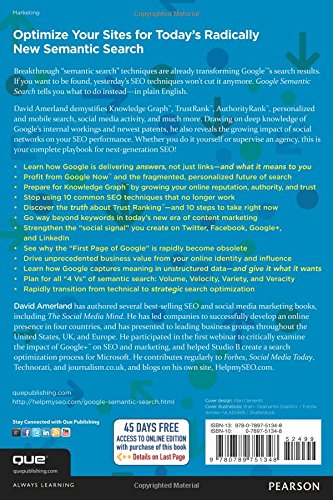
When it comes to elevating our SEO game, Google Semantic Search: Search Engine Optimization (SEO) Techniques That Get Your Company More Traffic is a game-changer. This book dives deep into the evolution of search techniques and how semantic search is reshaping the digital landscape. We love how it demystifies complex concepts like Knowledge Graph, AuthorityRank, and social signals, making them accessible for everyone, regardless of their tech background.Understanding these features is crucial for us as online marketers, and this book lays it all out in a straightforward manner, helping us navigate the challenges of modern SEO.
One of the standout features we appreciate is how the author, David Amerland, emphasizes the shift from keyword-centric strategies to a more holistic view of content that values meaningful connections and authority. The insights into how Google now evaluates context over mere keywords resonate with us deeply as we endeavor to create authentic content. this transition is not just a buzzword; it’s a revolutionary approach that aligns perfectly with our goal of standing out in the crowded online space. By learning to focus on creating real value for our audience, we understand how to grow our online reputation and effectively drive traffic.
The way Amerland illustrates the growing impact of social networks on SEO performance has particularly caught our attention. It’s enlightening to see just how intertwined social signals are with search rankings. We can leverage this knowledge to enhance our presence on platforms like Facebook and Twitter, building a strong social identity that translates into better visibility on search engines. By understanding the interplay between social engagement and SEO, we feel empowered to craft strategies that resonate with our audience while meeting Google’s evolving standards.
In addition, the practical tips provided within the book serve as a solid roadmap for us to implement immediatly. Learning how to stop using outdated SEO techniques and adopt strategies that align with semantic search principles has us thinking more strategically about our content creation process.We’ve found that this knowledge not only enhances our current tactics but also positions us well ahead of those still clinging to old-school practices. this book is packed with valuable insights that are crucial for anyone serious about mastering the new era of SEO.
Unpacking the Insights That transformed Our Search Strategy

As we dive deeper into our approach to search strategies, we’ve found that “Google Semantic Search: Search Engine Optimization (SEO) Techniques That Get Your Company More Traffic” has been an absolute game-changer. The insights within its pages helped us uncover how crucial it is to adapt to the ever-evolving landscape of search engine optimization. With the semantic shift occurring, we realized that keeping up with Google’s updates isn’t just an option-it’s a necessity.
This book breaks down what the new search dynamics mean for businesses like ours. It’s not just about playing the keyword game anymore; it’s about understanding the conversation around those keywords. We learned how Google is transitioning towards delivering answers rather of merely links.This perspective empowers us to focus on creating content that resonates with our audience’s needs and queries. By embracing these new principles, we’ve started to see considerable improvements in our visibility and engagement.
Another vital insight was the importance of building authority and trust in our niche. This book provides us with practical steps on enhancing our online reputation, which we’ve already begun to implement. It highlighted the significance of social signals and how they contribute to our overall SEO strategy. As we started to align our content creation with the principles of semantic search, we noticed not just increased traffic, but also a more engaged audience.
Ultimately, we’re grateful for the comprehensive guidance that “Google Semantic search” provides. It has equipped us with a forward-thinking perspective that allows us to rethink our marketing strategies and embrace a more authentic, people-centric approach. The old methods are quickly becoming obsolete, and we’re excited to be ahead of the curve, thanks to the insights we gained from this book.
Tailoring Recommendations for Optimizing Our Traffic Potential
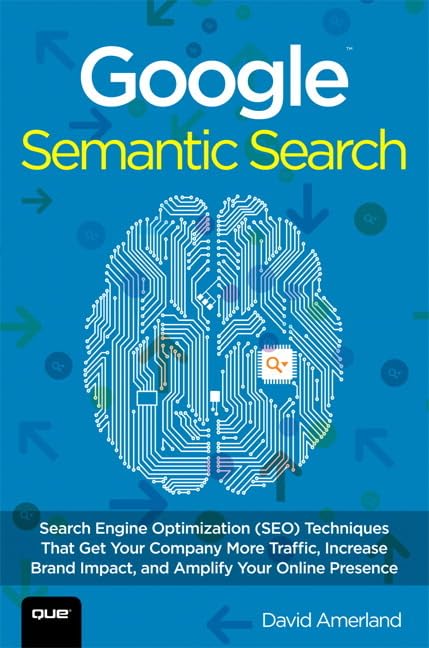
Understanding the intricacies of modern search engine optimization is crucial for anyone looking to enhance their online presence and drive traffic. The insights shared in “Google Semantic Search” offer valuable recommendations that can help us adapt to the ever-evolving SEO landscape. By embracing these techniques, we can better position ourselves for success in a world where search engines are shifting towards a more intuitive, meaning-based approach.
One of the standout takeaways from the book is the importance of focusing on semantic search. as we tailor our content and strategies, we need to think beyond simple keywords. Instead, we should aim to provide comprehensive answers to user queries, ensuring our content speaks directly to the intent behind the searches. this means structuring our content to be richer and more informative, ultimately aligning with how Google’s algorithms interpret meaning and context.
Moreover, the book emphasizes the value of authority and trust. As we develop our online identity, we must strive to demonstrate our expertise through high-quality content and active engagement in our niche. This might involve curating our profiles on social media, participating in relevant discussions, and creating content that resonates with our audience. By being authentic and transparent, we enhance our reputation, which is crucial in today’s search engine results landscape.
Additionally, leveraging social signals is mentioned as a practical strategy. Google’s algorithms increasingly incorporate social media activity to determine relevance and authority. Therefore, a stronger presence on platforms like Twitter, Facebook, and LinkedIn can considerably impact our visibility. We should actively share insights, engage with our audience, and showcase our expertise across these channels, enhancing our search engine performance as a result.
Ultimately, we can optimize our traffic potential by applying the thoughtful strategies outlined in this book. From understanding semantic search to enhancing our authority and leveraging social media, we’ll stay ahead of the curve in a rapidly changing digital marketplace. By integrating these techniques into our SEO practices, we can look forward to an increase in traffic and enhanced visibility online.

Reflecting on Our Experience and Future Prospects with Google Semantic Search
Reflecting on our experience with Google semantic Search has truly reshaped our understanding of SEO. This book dives deep into the intricacies of semantic search and how it’s revolutionizing the way we navigate the online landscape. We found it fascinating that, unlike traditional SEO, which frequently enough centered around the number of keywords, this new approach encourages us to think beyond mere phrases. The insights provided about Google’s evolving algorithms opened our eyes to the importance of context and intent in user searches.
What struck us most was how the author, David Amerland, presents these complex ideas in a relatable way. Even as non-technical readers,we could grasp the core concepts without feeling lost in jargon. The discussions around Knowledge Graph, TrustRank, and the influence of social signals were enlightening.it feels like we’re not only equipped to tackle current SEO strategies, but we also have a glimpse into what the future holds. The importance of authenticity and authority in content creation resonates with us, reinforcing our belief that quality truly matters.As we reflect on how this knowledge impacts our future, it’s clear we need to adopt a more holistic view of our marketing strategies. The shift from a purely technical focus to a more integrated approach is something we’re excited to embrace. By understanding that we can no longer “game” the system,we feel liberated to create genuine content that adds value. It’s about establishing connections and trust with our audience, which aligns perfectly with the direction in which digital marketing is heading.
Ultimately, engaging with this material doesn’t just equip us with tools for better SEO; it also ignites our creativity and inspires us to think about how we can contribute meaningfully to our online communities. We’re eager to apply these concepts, not just for our benefit, but to help others navigate this new landscape as well. Our experience with this book is undoubtedly a milestone, and we foresee it affecting how we approach our work for years to come.
Customer Reviews Analysis
Customer reviews Analysis
In our exploration of “Google Semantic Search: Search Engine Optimization (SEO) Techniques That Get your Company More Traffic,” we have gathered a rich tapestry of insights and opinions from readers who have engaged with this pivotal work. The reviews highlight both the strengths and weaknesses of the book,providing a nuanced view that can help prospective readers determine if it’s the right fit for their needs.
Key Highlights
| Positive Aspects | Areas for Improvement |
|---|---|
| Well-writen and engaging storytelling | complex language may be challenging for some readers |
| Accessible for non-technical readers | Lack of real-world case studies and actionable strategies |
| Deep insights into the future of search | Some concepts may be too theoretical |
| Renewed confidence for content creators | At times, could feel overwhelming for beginners |
Reader Sentiments
Across the board, customer feedback reveals a strong recognition for how David Amerland demystifies the evolving landscape of search engine optimization. Many readers felt that the book serves as a vital resource for understanding the complexities of Google’s semantic search, particularly for those at various stages of their SEO journey-from novices to seasoned professionals.
One reviewer, who identifies as a therapist, emphasized the book’s accessibility, stating that it is “written in a way that I could understand even though my technical expertise was far from epic.” This sentiment resonated with several others who valued the clarity with which complex ideas were conveyed. Many felt empowered, expressing that their confidence in navigating SEO had significantly increased after reading.
Who Will Benefit
Our analysis indicates that this book is particularly beneficial for:
- SEO consultants seeking to future-proof their skills
- Marketing professionals wanting to build authority in a people-centric web landscape
- content creators looking for renewed strategies to engage their audience
However, some readers noted that while the theoretical discussions are valuable, there is a yearning for more practical applications and case studies to ground the concepts in real-world scenarios. This feedback suggests that while the book is informative, the inclusion of concrete examples might have made it even more impactful.
Overall Impression
“Google Semantic Search” is a compelling read that successfully illustrates the shifts in SEO and search engine strategies. As one reader enthusiastically noted, it feels like being “invited into an inner circle of knowledge regarding the present and future of search.” for anyone serious about understanding the next wave of marketing and SEO, this book is a worthy addition to our reading list, with the caveat that some readers might need to brace themselves for the complex terminology and theoretical frameworks presented.
pros & Cons
Pros & Cons of Google Semantic Search: SEO Techniques That Get Your Company more Traffic
As we delve into the world of SEO with “Google semantic Search: SEO Techniques That Get Your Company More Traffic,” it’s essential for us to weigh the pros and cons. This will help us understand the potential benefits and drawbacks of implementing these techniques. Here’s what we found:
Pros
- Up-to-Date Techniques: The book introduces us to cutting-edge SEO practices that go beyond outdated methods, crucial for adapting to Google’s evolving algorithms.
- Comprehensive Coverage: david Amerland covers a wide range of topics including Knowledge Graph™, TrustRank™, and the influence of social media, providing us with a practical playbook for next-generation SEO.
- Clarity in Complex Concepts: The author breaks down complex ideas into simple, actionable strategies, making it easier for us to grasp and implement powerful SEO techniques.
- increased Traffic Potential: By utilizing these updated techniques, we can enhance our online visibility and drive more traffic to our website.
- Impact on Reputation: The focus on building authority and trust online can lead to long-term benefits for our brand reputation.
Cons
- Complexity in Implementation: While the information is valuable,applying the strategies can be overwhelming for beginners,requiring a steep learning curve.
- Dependence on Google Updates: The efficacy of the techniques can fluctuate with future changes in Google’s search algorithms, leaving us at their mercy.
- Pressure on Content Creation: The emphasis on producing high-quality, relevant content can be daunting, especially for smaller businesses with limited resources.
- Outdated Editions: As the SEO landscape changes rapidly, some information may feel outdated for those looking for the latest trends.
- Limited Technical Focus: the strategic approach may overlook essential technical SEO aspects, necessitating additional learning or resources for a complete grasp.
Summary Table
| Pros | Cons |
|---|---|
| Up-to-Date Techniques | Complexity in Implementation |
| Comprehensive Coverage | Dependence on Google Updates |
| Clarity in complex Concepts | Pressure on Content Creation |
| Increased traffic Potential | Outdated Editions |
| Impact on Reputation | Limited Technical Focus |
“Google Semantic Search” offers valuable insights into modern SEO techniques that can propel our online presence forward. However, understanding and implementing these strategies requires careful consideration of the potential challenges.
Q&A
Q&A Section for “”
Q1: What exactly is semantic search, and why is it vital for SEO?
A1: Semantic search is a search methodology that aims to understand the intent and context behind search queries, rather than just focusing on keywords. In today’s digital world, where users are looking for precise answers, leveraging semantic search techniques helps ensure that our content is relevant and useful. By adopting these methods, we can improve our website’s visibility and drive more traffic.
Q2: How does “Google Semantic Search” by David Amerland differ from traditional SEO guides?
A2: Unlike traditional SEO guides that primarily focus on keyword optimization and link building, David Amerland’s “Google Semantic Search” provides a comprehensive understanding of concepts like Knowledge Graph, TrustRank, and AuthorityRank. It offers strategies that are aligned with Google’s evolving search algorithms, focusing on creating high-quality content that addresses user intent and utilizing social signals to enhance our online reputation.
Q3: Can beginners benefit from this book, or is it only for experienced marketers?
A3: We believe both beginners and experienced marketers can find tremendous value in this book. It breaks down complex concepts into easy-to-understand language, making it accessible for those new to SEO. At the same time, seasoned marketers will appreciate the in-depth insights and advanced strategies that can enhance their current practices.
Q4: What are some specific techniques we can expect to learn from this book?
A4: In “Google Semantic search,” we can expect to learn about a variety of techniques, such as optimizing content for Google Now, focusing on social media activity to boost our SEO performance, and moving away from outdated practices that no longer deliver results. The book lays out actionable steps-like how to build our online authority and strength in social signals-that can drive meaningful improvements to our SEO strategy.
Q5: How can we apply the insights from this book to our content marketing strategy?
A5: By integrating the insights from this book into our content marketing strategy, we can focus on creating content that not only incorporates relevant keywords but also satisfies user context and intent.We’ll learn to embrace a broader view of content marketing that goes beyond traditional practices, helping us engage our audience more effectively and turning our content into a valuable resource.
Q6: What are the expected results after implementing the techniques discussed in the book?
A6: While results can vary based on multiple factors, implementing the techniques discussed in “Google Semantic Search” can lead to increased website traffic, improved search rankings, and a stronger online presence. By focusing on user intent and high-quality content, we may also experience higher engagement rates and expanded brand loyalty over time.
Q7: Do we need to hire an SEO expert to implement these strategies?
A7: While having an SEO expert can be beneficial, the book is designed so that individuals can also implement the strategies on their own.Whether we choose to manage our SEO ourselves or oversee an agency, the guidelines provided can serve as a clear roadmap for success in the world of semantic search.
Q8: are there any downsides we should be aware of?
A8: As with any evolving field, adapting to semantic search requires time and effort.It might take a bit of experimentation to find out which strategies work best for our specific audience. Additionally, as Google continuously updates its algorithms, staying informed about new advancements is essential. However, by investing our time in this book and its insights, we can position ourselves favorably in this changing landscape.
Embrace a New Era
As we wrap up our exploration of “Google Semantic Search: Search Engine Optimization (SEO) Techniques That Get Your Company More Traffic,” it’s clear that understanding and adapting to the ever-evolving landscape of SEO is essential. david Amerland has provided us with a comprehensive guide that goes beyond traditional methods, empowering us to leverage the intricacies of semantic search to enhance our digital presence and drive more traffic to our websites.
From mastering the intricacies of Knowledge Graph to understanding the significance of social signals, this book equips us with actionable insights that are pivotal in today’s online environment. As we move forward, let’s not forget the importance of staying updated with these transformative techniques. After all, in the world of SEO, knowledge is not just power-it’s a pathway to success.
If you’re ready to take your SEO game to the next level and ensure your company stands out in search results, we encourage you to dive into this pivotal resource. Grab your copy of “Google Semantic Search” and unlock the secrets to next-generation SEO today.